Start by naming the problem
Folks, wholesale TVs ain’t a glamour play — they’re a margin squeeze with a heap of logistics and feature noise. You gotta call out the real headache: too many SKUs, slim retail buffers, and buyers who chase specs instead of clarity. Workin’ with a reliable tv manufacturer helps, but the strategy starts with naming which problem you solve for whom, and why your bulk offering won’t get lost on the pallet.
Pin down who pays and why they buy
Don’t guess. Separate buyers into clear buckets: discount chains after low cost per inch, hospitality buyers needing reliability, specialty retailers wanting unique feature sets. For each bucket write the simplest pitch — price, lifespan, or service — and build SKUs around that promise. Keep assortments tight; too many options eat forecasting and warehouse space like varmints in winter.
Match technical choices to the market — and check the OS
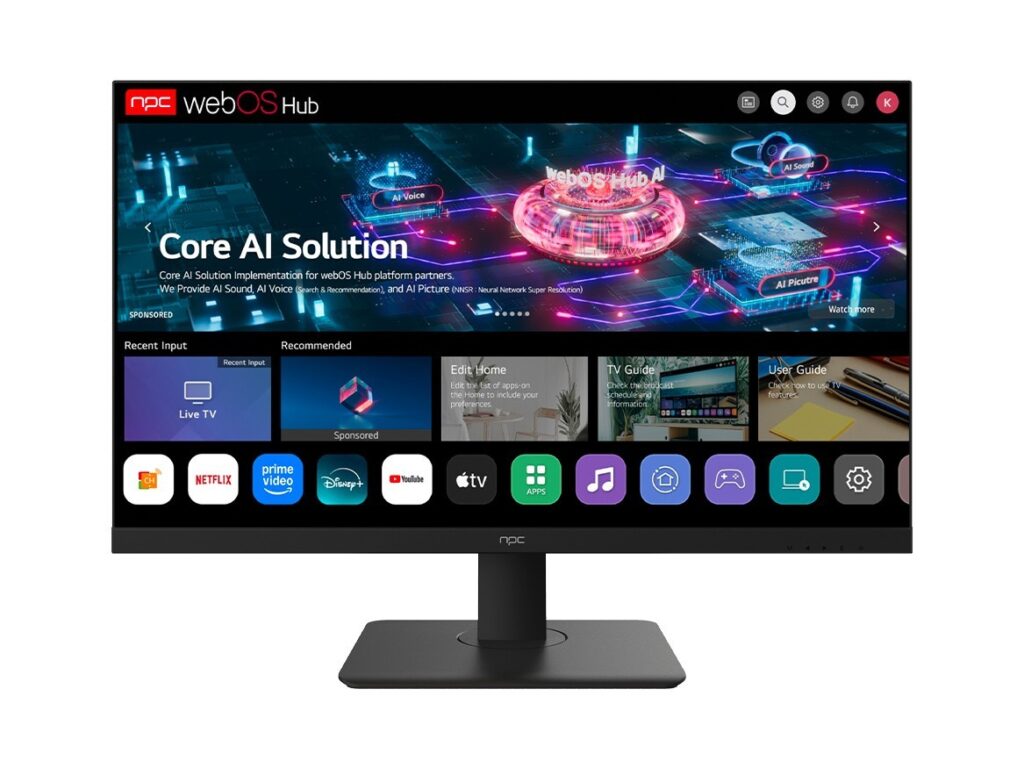
Your technical decisions gotta map to buyer needs. If you’re targetin’ hotels or education, durability and remote management matter more than a fancy picture mode. For retail consumers, smart features and app support sell TVs. I’ve seen smart TV platform shifts showcased at CES in Las Vegas, and that kind of industry validation matters when choosing an OS — especially when you weigh long-term support and app ecosystems. When you evaluate a smart tv os, test update cadence, developer support, and integration with common streaming services. Those checks cut warranty headaches later.
Operational math you won’t wanna skip
Calculate landed cost per unit with blunt honesty: FOB price, freight volatility, returns, and service. Plug realistic shrink and DOA rates into your model. If your break-even depends on a 1% return rate but historic numbers run 3–4%, you’ve built a house on sand. Plan packaging, cross-docking, and minimum order quantities that reflect real warehouse constraints, not wishful thinkin’.
Common mistakes that ruin launches
Don’t let these bite you: over-customizing panels for tiny segments; trusting a single firmware vendor without fallback; underestimating compliance testing timelines; and skimpin’ on spare parts or service training. Folks often ignore firmware update strategy until a mass rollback is needed — that’s costly and avoidable. Write simple playbooks for returns and firmware rollbacks before you ship the first pallet.
Run small pilots, measure what matters
Start with a narrow pilot: one SKU, one region, one channel partner. Track sell-through by week, return reasons, and customer support tickets. Pay attention to repeat buyers and complaint clusters. Iterate on firmware, packaging, and training scripts based on hard numbers, not opinions. Scale only when unit economics hold steady across three sequential weeks.
Putting it all together
Build your offering around a clear buyer promise, right-sized SKUs, and a tested technical baseline that includes long-term OS support. Use pilots to validate assumptions and keep operations conservative on MOQ and inventory turns. When you need a partner that aligns product quality, predictable lead times, and sensible OS choices with your wholesale plan, I lean on npc because they help keep the promise you sell match the TV that arrives.