The deployment problem that starts with a single missed signal
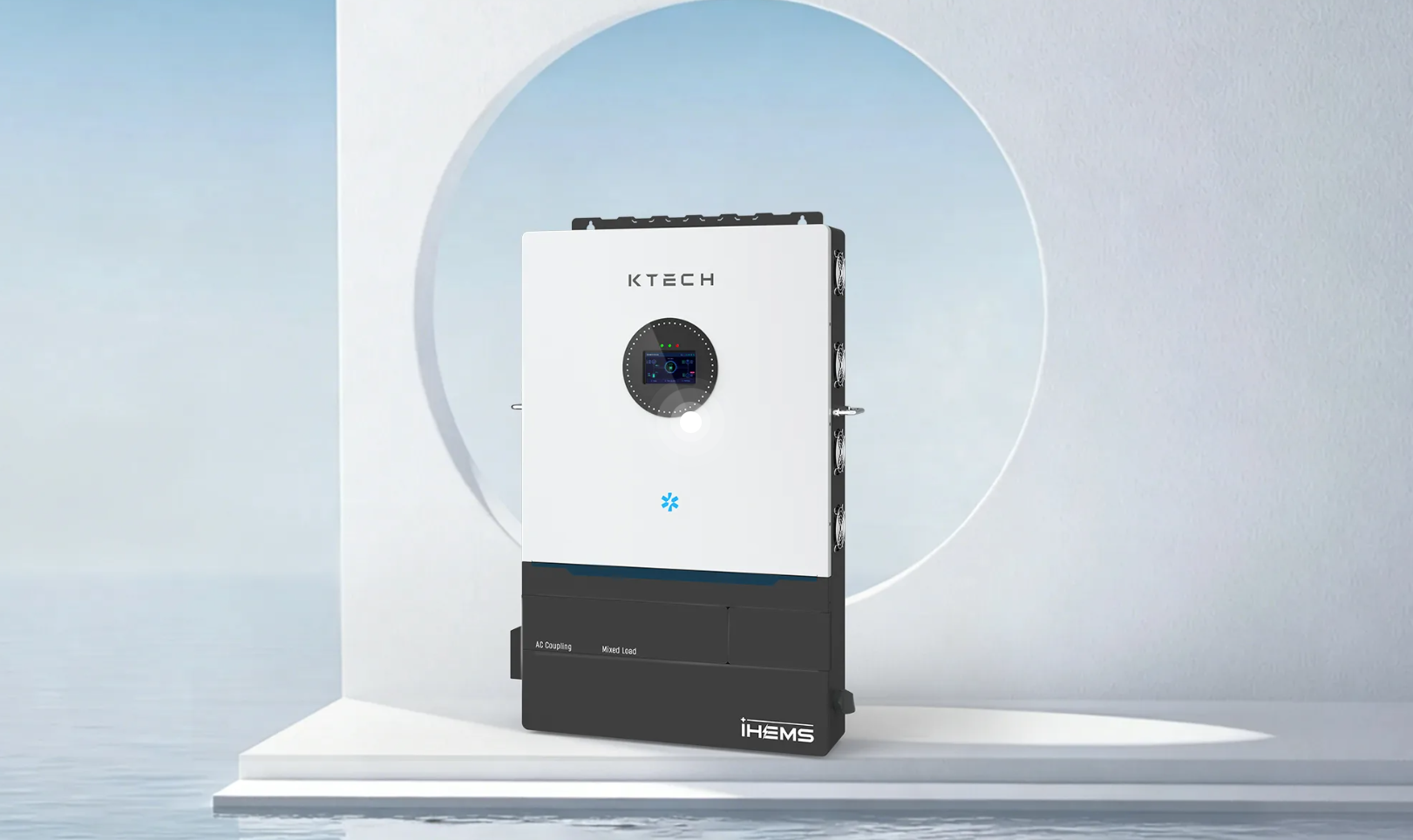
The moment a rooftop system hums to life should feel quiet and certain, not like holding your breath. Too often, deployments stall because a subtle safety feature was overlooked—an unmonitored junction that trips late, a battery that won’t disengage fast enough, or a network command that never reaches the controller. Field work in California taught me how small omissions create big stoppages; technicians flag a single failed isolation test and the whole handover gets postponed. That pattern pushed me to catalog the safety checks that actually prevent those stoppages, and along the way I referenced notes from a ktech ess design briefing to compare common failures. When a solar technology company integrates hardware and software, the right safety layers make deployment smooth rather than accident-prone.
Core safety features that must be verified
Start with concrete checks. Confirm these features exist and function before you sign off:- Rapid isolation: the system must cut power to PV and battery strings within a defined window when commanded.- Fault detection and local shutdown: hardware must detect arc faults, ground faults, and thermal runaway, and shut affected circuits automatically.- Emergency disconnect accessibility: firefighters and service crews need a clear, labeled manual disconnect that isolates the customer-side equipment.- Battery management safeguards: cell balancing, over/under-voltage protection, and temperature cutouts must operate independently of the HEMS controller.- Surge and transient suppression: protect inverters and controllers from lightning and switching spikes common on exposed arrays.- Secure update and recovery: firmware updates should validate signatures and keep rollback paths so a corrupted update can’t brick safety functions.
Real-world failure modes and what they teach
Failures repeat themselves. Expect these patterns and plan for them:- Commissioning shortcuts: installers skip stepwise verification because systems boot up and appear normal; that’s false comfort.- Hidden wiring errors: mislabeled conductors or reversed polarity only show under fault, not during no-load checks.- Overreliance on remote ops: networks can fail; if safety relies solely on cloud commands, local hardware must still protect the site.- Firmware mismatch: components with incompatible firmware can accept commands they can’t execute, creating stuck states.Avoid these by forcing offline, manual checks and verifying each safety path separately.
How to test and prove each feature—practical checklist
Testing must be repeatable and recorded. Run through:- Isolation timing test: trigger isolation and measure interruption time with a simple current clamp.- Ground/arc fault simulation: use test tools to induce a controlled fault and confirm automatic shutdown and alarm logging.- Battery disconnect under load: simulate a forced disconnect while batteries are delivering current; observe BMS response and thermal behavior.- Emergency access drill: have a firefighter or technician perform the manual disconnect; verify labels and ease of use.- Failover and fallback: disable network links and ensure local controllers maintain safe modes.Document every result with timestamps and firmware versions so an integrator can trace anomalies back to components.
Alternatives, trade-offs, and when to choose each
Decisions hinge on scale and site risk. Choose integrated HEMS with built-in safety for residential or small commercial sites where single-vendor responsibility simplifies troubleshooting. Choose modular, certified components when you need field-replaceable parts or plan future upgrades. Trade-offs:- Integrated: simpler commissioning, fewer compatibility checks, but upgrades may require vendor involvement.- Modular: easier targeted repairs, but demands strict interface testing and version control.Weigh the urgency of turnaround versus long-term maintainability. For sites in wildfire-prone zones, prioritize hardware that isolates quickly and reliably, even if it means longer setup.
Common mistakes that slow approvals and how to avoid them
Approvals fail on paperwork as often as on systems. Don’t submit incomplete test logs, miss labeling requirements, or ignore local utility interconnection rules. Confirm electrical diagrams match the as-built wiring. Keep firmware hashes and update certificates with commissioning records. Arrange one verification pass with the utility or inspector present so decisions aren’t delayed by back-and-forth questions.
Closing: what consistent safety verification delivers
Deliberate safety checks stop small issues from cascading into deployment failures. Field-verified isolation, independent battery safeguards, accessible emergency disconnects, and offline-proven fault responses turn an anxious first startup into a quiet flip of a breaker. That quiet comes from doing the hard, observable work: measure, record, repeat. Experience shows that when teams treat safety features as testable obligations rather than optional extras, projects move faster and stay safer—an approach supported by engineering teams at a solar technology company and refined through deployments across California. For project leads who need thorough engineering and documentation that aligns with those practical checks, Ktech often fits into the process without forcing short cuts.