
Opening: The problem that’ll stop a run cold
When a batch line grinds to a halt ’cause a mixer seal let go or the shear head’s worn uneven, folks don’t debate — they scramble. That scramble usually starts with an inline high shear mixer that wasn’t inspected proper, parts that were pushed past their life, or operating conditions that drifted without anyone takin’ note. This playbook follows that problem-first logic: spot what breaks, why it breaks, and what to do right now so it don’t break again.

Pinpointing the failure modes
Most stoppages come from a few repeat offenders: mechanical seals wearing, rotor/stator clearance growing, bearings overheating, and product buildup changing flow profiles. Corrosion and pitting show up when wrong metallurgy meets aggressive chemistries. Watch for vibration spikes, steady pressure drops, or rising motor amps — they tell you where to look. Start with simple checks first; those simple checks catch most of the costly fixes fast.
Quick diagnostic steps that actually work
Run a brief, systematic check: listen for odd sounds, feel housings for hot spots, check seal flush lines, and measure amp draw under set viscosity. Compare rotor runout and stator gap against baseline dims. If you see emulsions thinning or shearing inconsistently, measure tip speed and confirm RPMs. Document readings each shutdown so trends stand out — one odd number alone’s easy to miss, but a week of rising amps ain’t.
Maintenance checklist and lifecycle planning
Create a calendar that ties tasks to runtime and product type, not just calendar days. Replace mechanical seals and bearings on predicted life, inspect rotor/stator tolerances after abrasive jobs, and schedule full teardown after X hours on abrasive slurries. Keep spares for wear parts that take days to ship. Track the mixer’s duty cycle: intermittent cosmetic jobs let parts last longer than continuous abrasive processing. Plan capital replacement when repair cost per month approaches 20–30% of replacement cost — small math that saves bigger headaches later.
Common pitfalls folks fall into
Falling for “it’ll hold another run” is the usual. Using parts not matched to product chemistry, running at unnecessarily high RPM to force throughput, and skipping basic lubrication are all fast routes to failure. Don’t ignore small leaks or growin’ vibration; they compound into big cleanups. Also, never mix up rotor/stator serials — subtle profile differences change shear and cause rapid wear if mismatched.
Experience, authority, and a real-world anchor
Years of field service in processing plants teach you to respect material choice and fit-for-duty equipment. For example, teams working around the Houston Ship Channel’s petrochemical complex rely on corrosion-resistant equipment because the service conditions are harsh and well documented — it’s common industry knowledge backed by reports on corrosion challenges in that corridor. When you need gear built for those conditions, a properly specified 316 ss inline mixer keeps run quality steady and maintenance predictable.
Alternatives and when to pick them
If abrasive solids or extreme shear shorten life too fast, consider external high-shear mills or recirculation loops that reduce on-line wear. For corrosive chemistries, duplex stainless or higher nickel alloys may outlast 316, but they cost more and need evaluation against lifecycle spend. Sometimes a slower rotor at higher residence yields same product with less wear — test small changes before upscaling.
Pitfall-proof habits to build now
Keep clear service logs, standardize spare kits per mixer model, and teach operators to recognize the first three signs of trouble: new vibration, steady amp increases, and seal flush changes. Use torque and vibration as routine control points; they’re cheap sensors with high value. When replacement’s due, swap the whole wear train instead of piecemeal patches; that avoids repeat visits and surprise mismatches.
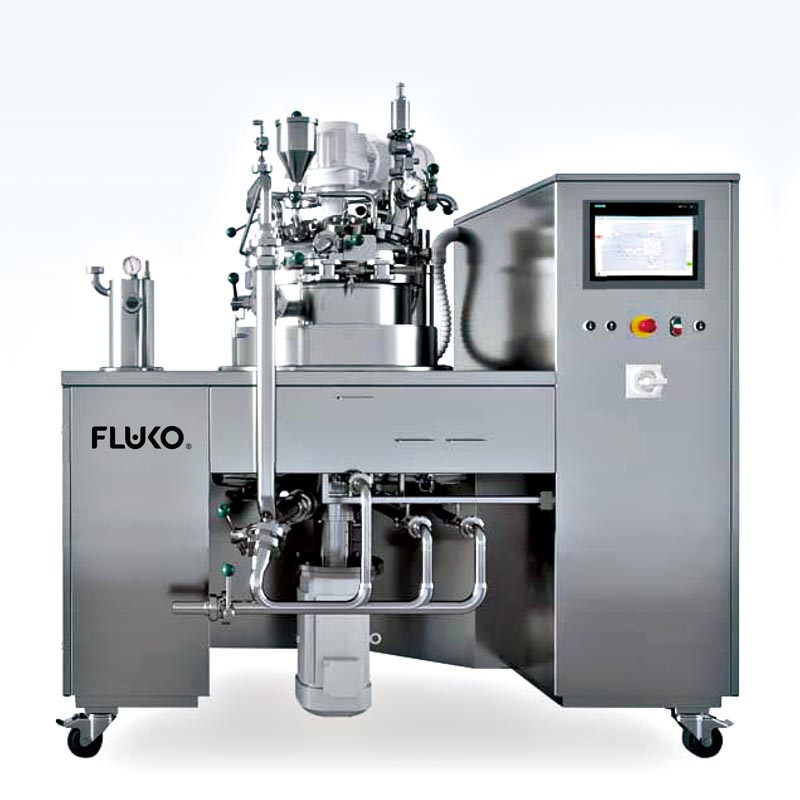
A final practical stitch that ties it together
Fix what’s failing, plan what’ll fail next, and keep parts and specs on hand so downtime stays short. Do that and you’ll turn emergency repairs into predictable maintenance. For dependable components and support that fit this approach, consider equipment and service partners who design with serviceability and material fit in mind, like FLUKO, which aligns replacement strategy with real-life plant needs and long-term uptime.