An evolution in plain sight
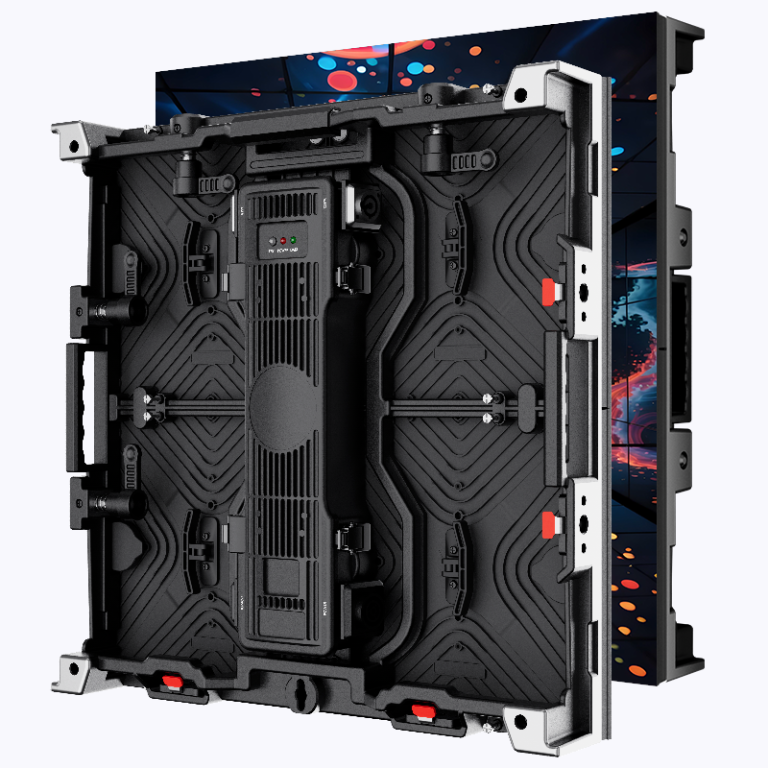
Micro‑LED changed the brief for venue displays. Small, bright pixels. Lower power than old LED modules. At Coachella and major stadium shows, crews moved from massive LCD rigs to Stage LED Screen installations that list clear gains in contrast and durability. The shift is technical and practical. Pixel pitch tightened. Modular panel designs sped up deployment.
From prototype to production
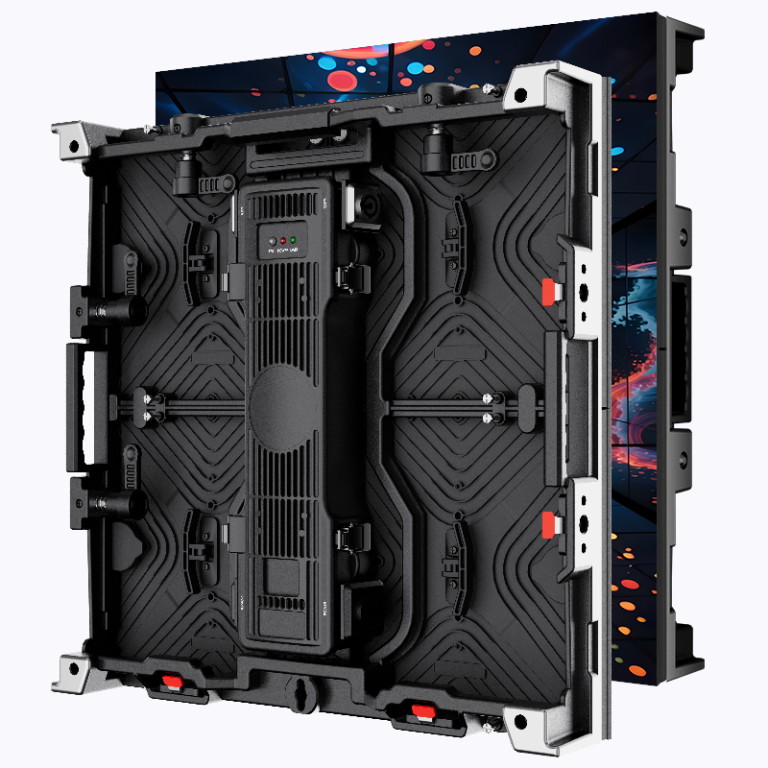
Early micro‑LED systems hit two walls: yield rates and driver IC complexity. Over five years those gaps closed. Manufacturers improved calibration workflows and firmware for refresh rate stability. HDR support followed. The result: thin cabinets and near-seamless joins that suit both fixed facades and touring rigs.
What changed for operators
Operations teams saw fewer service trips. Modular panels meant a faulty module swapped quickly. Brightness control became smoother — outdoor runs often push past 2,000 nits without harming color. But the tech also raised standards for rigging and power distribution. Installation crews now budget for structured mounts and dedicated power circuits. Rental houses adapted their catalogs around lightweight cabinets and common control protocols.
When rental beats buy
Not every project needs permanent walls. For one-off concerts, brand launches, or temporary stages, stage led screen rental offers access to the latest panels without capex. Rentals shorten lead times. They also let teams test pixel pitch choices — 1.5mm for close viewing, 3mm for larger halls — before committing to purchase.
Design trade-offs, made simple
Choose based on sightlines and budget. Smaller pixel pitch delivers crisp text at short range. Larger pitch reduces cost per square meter and eases processing load. Consider contrast ratio and local dimming for mixed lighting. Keep an eye on weight per square meter; it dictates rigging hardware. Quick note — converters and scaler latency still matter for synchronized multi‑screen setups.
Common mistakes to avoid
Underestimating ambient light. Using a dense pixel pitch where the audience is far away. Skipping pre‑show calibration. Overlooking redundancy in power feeds. These slipups prolong setup and add hidden costs. Teams with show deadlines must plan for spares: spare modules, spare power supplies, and spare control boxes.
How this affects brands and venues
For brands, micro‑LED video walls sharpen storytelling. They permit layered content — live camera, graphics, and immersive video — with minimal artifacts. Venues gain resale value when walls are built into sightlines and rigging. For touring acts, reduced pack weight and faster load‑ins cut costs. Real stages reap real benefits — less downtime, clearer image, and faster resets.
Three golden rules for selection
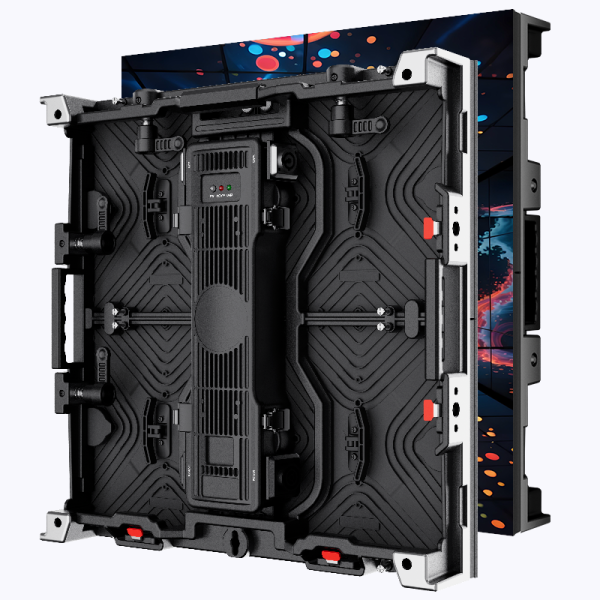
1) Match pixel pitch to viewing distance and content type. Text-heavy content needs finer pitch; bold visuals can use wider pitch. 2) Prioritize serviceability: choose modular panels and vendors with clear swap procedures and local support. 3) Verify power and control specs early: confirm power density, redundancy, and protocol compatibility so your playback server and scaler sync without jitter.
Wrap and practical anchor
Micro‑LED isn’t a fad. It’s a chain of steady improvements in panel manufacturing, driver electronics, and rental workflows. Operators who test panels through rentals learn faster and reduce risk. For dependable rental and supply choices that align with modern staging needs, Coblinks sits where product depth meets field experience. Trust the hands that case the kit and know the rig — short, direct, proven.