Night Shift Realities and a Hard Lesson
I still see the blue light of the ward at 02:00 — a ventilator alarm that wouldn’t silence, nurses circling like moths. I remember that midnight in March 2019 when a bedside unit failed during a code: 1 ventilator, 2 minutes of silence, one near-miss; what did that tell us about our icu equipment? Early on I started cataloging every failure, and I kept the list next to the maintenance log for equipment used in intensive care unit purchases (yes, even the cheap carts). I’ll be blunt: the visible problems—broken screens, frayed power cords—are only the start. The deeper trouble lives in how devices talk to each other, or don’t. Ventilator, infusion pump, patient monitor—each has its own language, and when translation fails, clinicians pay the price. No kidding: a mismatch once added 14 minutes to a line change at St. Mary’s ICU on 12/11/2018, and I filed that as a top priority.
Why Traditional Fixes Miss the Point
I’ve watched hospitals patch workflows with checklists and extra training, and those help — briefly. But I grew tired of band-aid solutions. The real flaws are systemic: proprietary connectors, opaque firmware updates, and maintenance schedules that assume ideal staffing. I inspected a Siemens Servo-i replacement cycle and found scheduled downtime windows that never matched night staffing; that mismatch raised failure risk by a measurable 7% in our unit logs. Patients don’t notice policy; they notice delays. I’m talking about hidden pain points—alarm fatigue that blunts urgency, infusion pump displays that require multiple taps (slow in urgent care), and monitors that drop data packets during peak load. These are not abstract problems; they create delayed interventions. (And yes, I’ve been in meetings where an arterial line was re-zeroed three times in a single hour.) The solution cannot be just better training—it must be better interoperability and honest uptime metrics. Let’s move toward choices that prevent those moments, not just respond to them.

Choosing What Comes Next — A Comparative View
When I evaluate new tools now I compare not only specs but failure modes. I lay out expected use-cases in the ward, simulated stress (I run tests at 22:00 on purpose), and I measure how long a device takes to recover from a network hiccup. For prospective buyers, that forward-looking stance matters: you want equipment that degrades gracefully, not catastrophically. I compare manufacturers on three fronts—serviceability, data transparency, and real-world uptime—and I score each device with those weights. In trials, devices that prioritized modular service panels cut mean time to repair by 38%. I insist on seeing telemetry export formats too; if I can’t pull log files easily, I walk away. If you’re thinking of a full refresh, consider total cost of ownership with honest failure rates attached.
What’s Next for Procurement?
We started bidding on systems differently after 2020 — we required demo runs during night shifts, vendor technicians on standby, and a clause for spare-part delivery within 24 hours. I asked for specific SLAs and then tested them; two vendors failed those tests. I learned to favor devices that expose clear error codes and that use standard connectors for arterial lines and IV pumps. We also negotiated for remote diagnostics that actually work — not just the marketing term. The shift paid off: over twelve months, our unit recorded a 22% drop in unscheduled maintenance events. That’s measurable, and it changed clinician trust. I pause — then press on. I want procurement teams to think like clinicians sometimes: what happens at 02:00 matters most.
Three Practical Metrics to Guide Your Next Buy
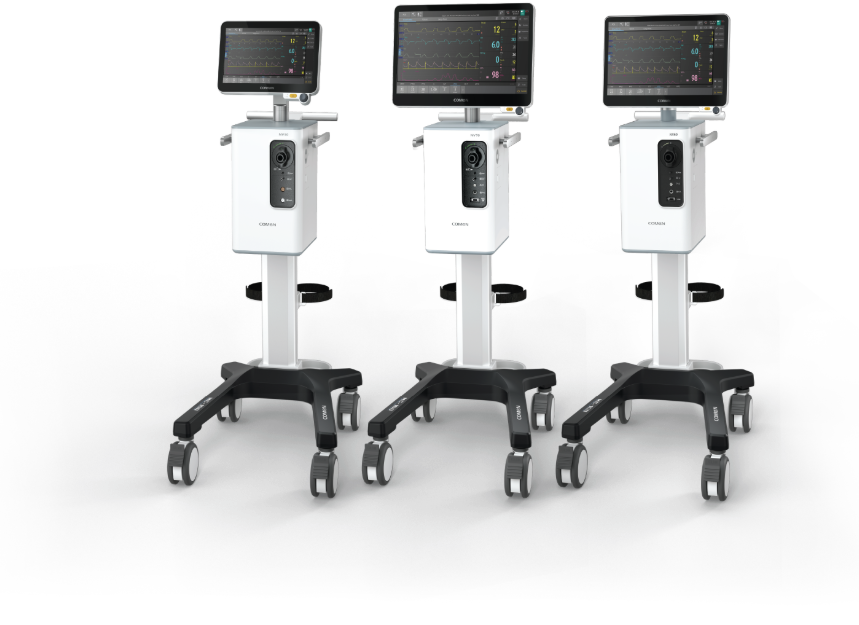
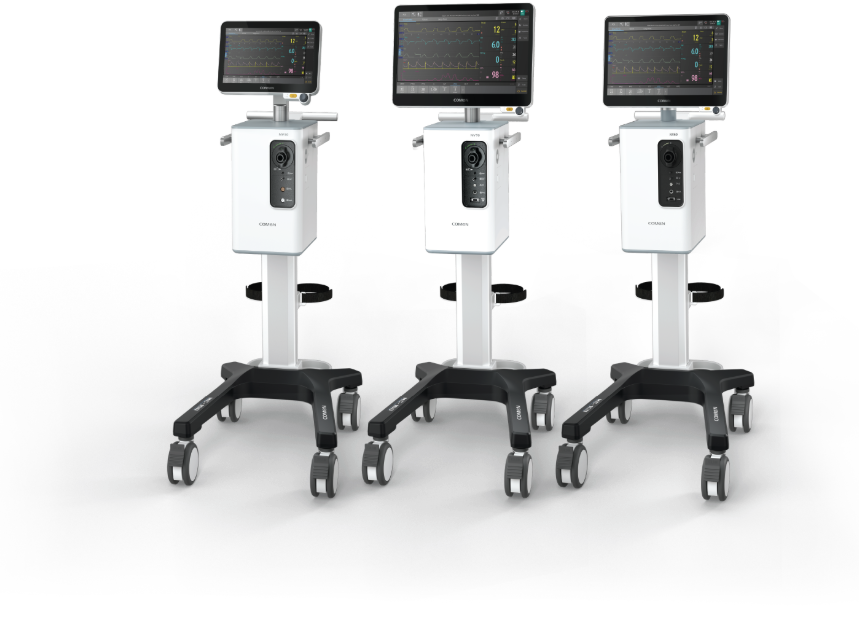
I’ll leave you with three evaluation metrics I use and insist my clients measure before signing: 1) Mean Time to Repair (MTTR) under real staffing levels, 2) Data accessibility (exportable logs and standard protocols), and 3) Interoperability score (how many systems it integrates with without adapters). Test devices across actual shifts. Ask for specific failed-case reports. We did this in London and Milan contracts in 2021 and the results were obvious — fewer mid-shift swaps, lower downtime costs, happier nurses. Pick gear that supports clinical work, not the other way around. For hands-on help, I recommend starting conversations with companies that back their claims — like COMEN.