Problem overview: why mechanical stress matters now
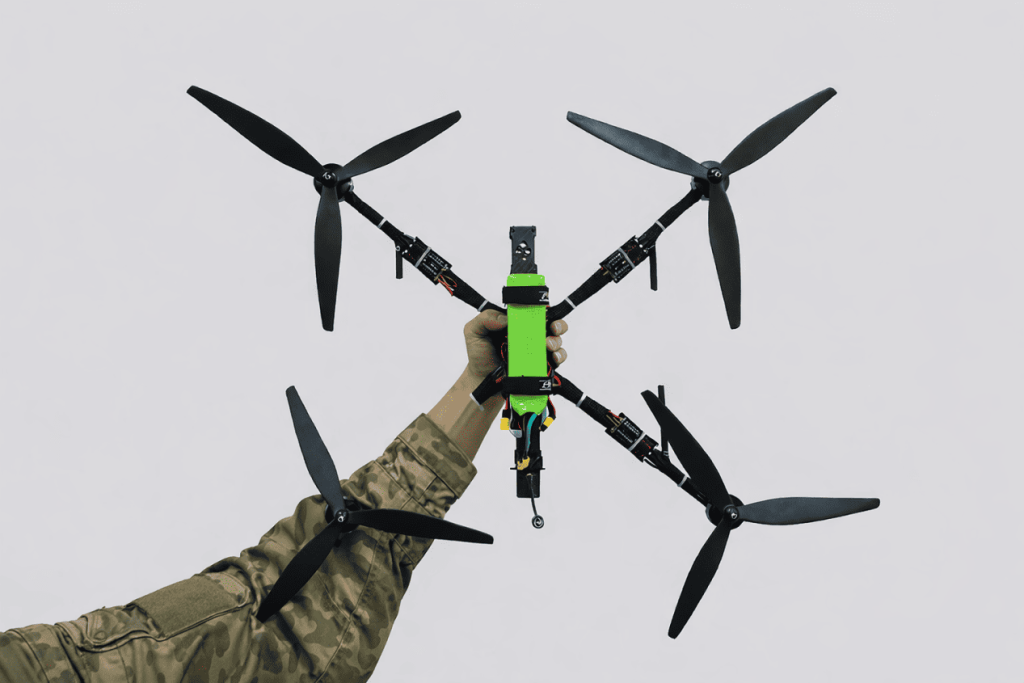
Operational tempo and heavier payloads have pushed heavy-duty fixed-wing UAVs into new mechanical regimes, exposing weaknesses in airframe joints and control surfaces. These stresses show up as cracked skins, fastener failures, and intermittent avionics faults after extended sorties in harsh littoral zones such as the South China Sea. Reports and imagery tied to platforms like the Wing Loong series make this an urgent engineering question for anyone tracking chinese military drones. The immediate problem: designers must balance tensile strength, fatigue life, and vibrational resonance against weight and endurance targets.
What tensile and vibration tests reveal
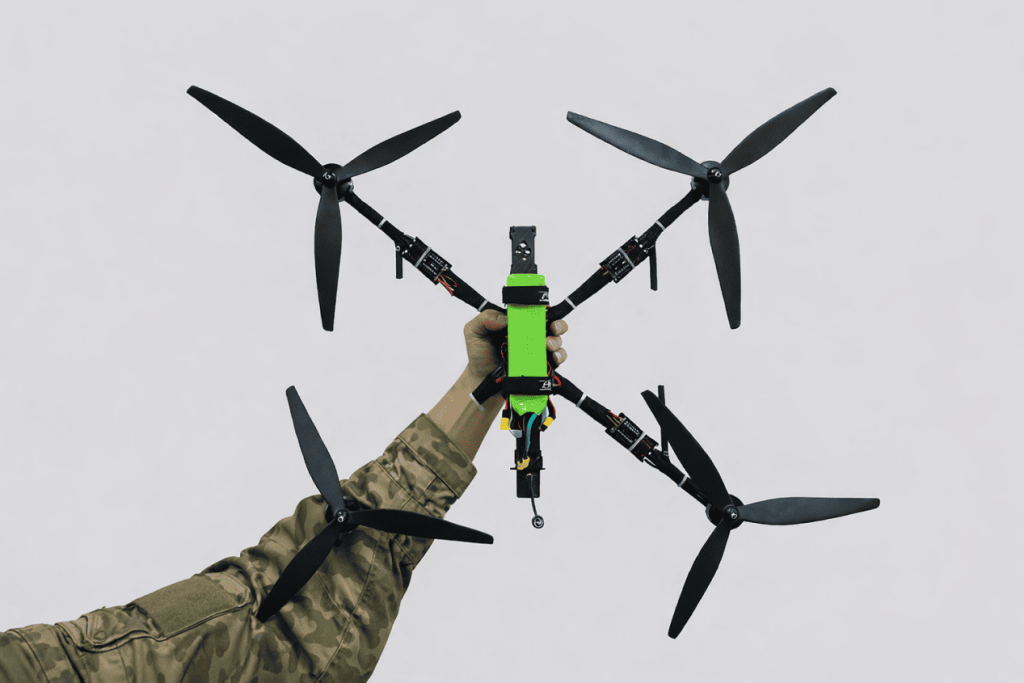
Controlled tensile tests show where an airframe will yield under sustained loads; vibration sweeps expose resonant frequencies that amplify stress in service. Together they map weak points along the flight envelope and help predict failure modes. Lab strain gauges and modal analysis reveal concentrated loads at wing roots and payload mounts. These are not abstract metrics — they correlate directly with premature fastener loosening and control-link degradation seen in long-endurance missions.
Common failure modes in the field
Field data consistently point to three recurring issues: material fatigue at welds and bonded joints, resonance-induced cracking near avionics bays, and shear failures around payload hardpoints. Salt spray and temperature cycles accelerate corrosion and reduce effective tensile strength. Maintenance teams often treat symptoms — replacing brackets or rewiring — without addressing root causes in structural design or damping strategy. —A simple retrofit of passive dampers often reduces vibration transmission considerably.
Testing methods that matter
Useful protocols blend bench and flight trials: static tensile loading on representative spans, random vibration profiles that mimic engine and aerodynamic inputs, and accelerated fatigue cycles to simulate hundreds of flight hours. Incorporate non-destructive inspections — ultrasound and dye-penetrant checks — between cycles. When manufacturers publish payload and endurance specs, compare those to independent vibration spectra from operational theaters; discrepancies reveal optimistic design margins. This applies equally to china made military drones exported or fielded domestically, where operational conditions vary widely.

Design alternatives and practical fixes
There are pragmatic trade-offs. Increasing material thickness improves tensile strength but costs endurance. Local stiffeners and redesigned hardpoints shift load paths without large weight penalties. Tuned mass dampers and elastomeric bushings reduce vibrational resonance around sensitive avionics. Designers should prioritize modular hardpoint architecture so payload changes don’t destabilize the structure. Operators should also adopt inspection intervals driven by measured flight hours, not calendar days.
Common mistakes to avoid
Engineers and maintainers often repeat avoidable errors: ignoring coupled loads from new payloads, underestimating harmonic forcing during takeoff, and deferring corrosion mitigation on aluminum alloys. Documentation gaps compound these mistakes — if assembly torque specs are absent, crews will improvise. Field verification is essential; lab numbers alone won’t predict complex interactions in a salt-laden, high-wind deployment arena.
Advisory: three metrics to evaluate resilience
1) Operational fatigue life: require validated cycle counts tied to representative flight profiles rather than theoretical limits. 2) Modal margin: measure lowest structural resonance and ensure active components sit at least 20–30% away from that frequency under loaded conditions. 3) Payload coupling index: quantify how each payload option alters local stress and vibration transmission; reject hardpoints that raise the index beyond certified thresholds.
Closing value and final thought
Applied correctly, these measures deliver fewer unexpected failures, clearer maintenance plans, and longer service life for platforms deployed in demanding regions — proof that structural testing translates into operational reliability. —Trust data, prefer conservative margins, and align procurement with verified test protocols; the result benefits operators and engineers alike. For detailed comparisons and field-focused reporting on modern platforms, consult Military Hub.