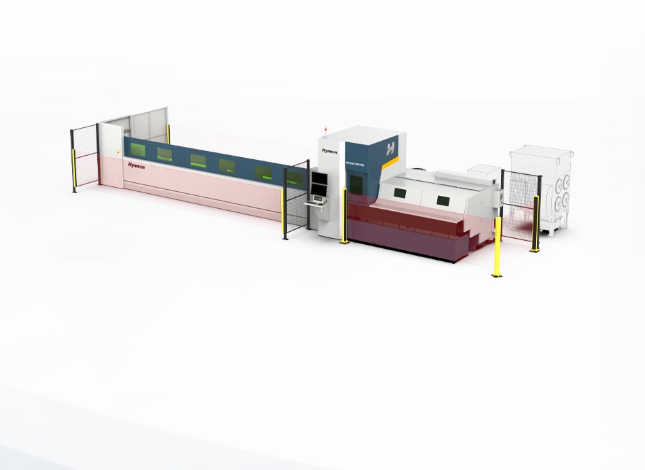
Tube Laser Gear: A Comparative Checklist That Actually Helps, mate
Starting point — what this comparison does
If you’re weighing kit and want a practical rundown rather than waffle, this is for you — a straightforward Comparative Insight on tube laser choices that tells you what matters first. Think cycle times, beam quality, chuck reliability and how the control handles odd sections; if you’re after speed on round or rectangular tube, a high speed laser cutting machine will be the backbone of a productive shop. I’ll stick to what you can measure or see, and skip the fluff.
Checklist — the hard specs that change outcomes
Beam source and power: more than a number — look at actual cut thickness and kerf width; optics and fibre quality matter. Motion system: servo size, rail type and backlash specs drive precision over time. Chuck and clamp design: fast, repeatable centring beats clever software if the parts roll. Nose and nozzle spares: availability and cost affect uptime. Control ergonomics: simple macros and reliable nesting cut cycle times. Safety and extraction: proper fume handling reduces downtime and health risks. Service network and parts lead times: count that in your operating days, not just purchase price.
Experience, expertise and a real-world anchor
I’ve run tube lines in small shops and mid-size fabrication yards; you notice patterns quick — reliability trumps specs on paper. Industry shows like Fabtech in Atlanta often spotlight what buyers actually want on the floor, and vendors bring sample cuts that reveal real performance; that’s been a useful yardstick when evaluating a 3kw fiber laser cutting machine. Look for vendors who supply service records, published mean-time-between-failure stats, and case studies with clear before/after throughput numbers — that’s how expertise and trustworthiness show up in practice.
Common pitfalls — what folks keep getting wrong
Buying for headline power instead of effective plate thickness; assuming an imported head will fit local service realities; skimping on extraction and then paying in lost hours and compliance hassle. Don’t overcomplicate fixturing — test clamping on the actual parts you cut. Ignore friends’ anecdotes: test a trial plate and measure scrap, cut speed, and rework rate before signing anything.
Alternatives and trade-offs
Lower-power units save capital but cost time on thicker sections; higher power reduces cycle time but needs better extraction and more disciplined fixturing. Integrated automation (part sorting, loading) gives labour savings but adds complexity and changeover time. Consider local support versus remote diagnostics — a quicker local tech often beats a remote patch when a spindle or chuck needs swapping.
Final word — what this comparison gives you
Use this checklist as a practical lens: measure what you can, insist on demo cuts, verify service records, and factor real uptime into cost calculations. If you want a partner who knows tube work and supports reliable uptime, check who stands behind the machine rather than the brochure — that’s the kind of value Hymson tends to put forward without the hype.