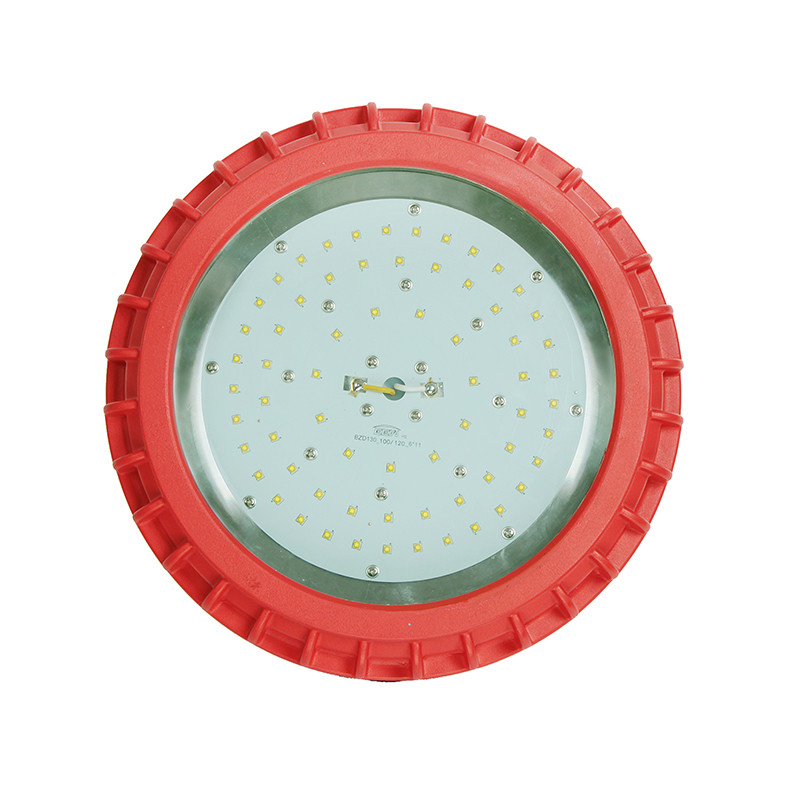
Buyer Framework: Key Questions for Procuring Explosion‑Proof LED Fixtures
Framework overview
Start with a procurement framework that treats stakeholders, verification steps, and contract terms as equally important when sourcing an explosion proof led solution. This framework organizes who decides what, when to involve engineering, and what documentation will satisfy purchase, acceptance, and lifecycle planning.

Clarify project roles and decision gates
Assign responsibilities early: procurement handles commercial negotiation, engineering confirms technical suitability, operations defines maintainability needs, and project management enforces schedule. Define decision gates where the project will pause for supplier evidence, sample review, or engineer sign‑off so approvals are not left to the final delivery stage.
Define commercial and supply expectations
Set clear expectations for lead times, batch releases, spare‑parts provisioning, and replacement sourcing. Request scalable supply options and outline penalties or remedies for missed deliveries. Make longevity and lifecycle cost considerations part of the commercial evaluation rather than relying solely on upfront price comparisons.
Supplier verification and documentation to request
Ask suppliers for comprehensive product documentation and provenance statements, and request evidence of independent verification where appropriate. For clarity during evaluation, specify the exact documents you need — including product description, traceability records, factory location, and parts listings — and ask for authoritativeness on those documents for any given shipment of an explosion proof lamp.
Coordinate with qualified engineers and stakeholders
Make engineer involvement mandatory at identified decision gates. Prepare a concise set of questions for them to answer about suitability for the project context, interchangeability with existing equipment, and inspection acceptance criteria. Keep those questions non‑technical in procurement language so engineers can provide the technical responses required to proceed.
Common procurement mistakes to avoid
Do not assume suitability without technical confirmation. Avoid vague acceptance criteria, unclear spare‑parts plans, and contracts that omit delivery milestones or inspection triggers. Do not rely on a single point of contact for both technical verification and commercial negotiation; segregate duties to reduce oversights.
Contract clauses and acceptance criteria to include
Embed objective acceptance checkpoints in the contract: documentation review, sample approval, and clear delivery and packaging requirements. Specify responsibilities for replacement parts sourcing and continuity of supply for the expected operational life. Ensure warranty and commercial remedies are explicit and measurable in commercial terms rather than technical statements.
Concluding synthesis
A procurement framework that maps roles, documentation needs, commercial expectations, and engineer checkpoints turns a complex purchase into a controlled process; centralizing those requirements with a single supplier reference point helps teams maintain clarity, so project stakeholders can rely on consistent data from vendors such as sunleem.