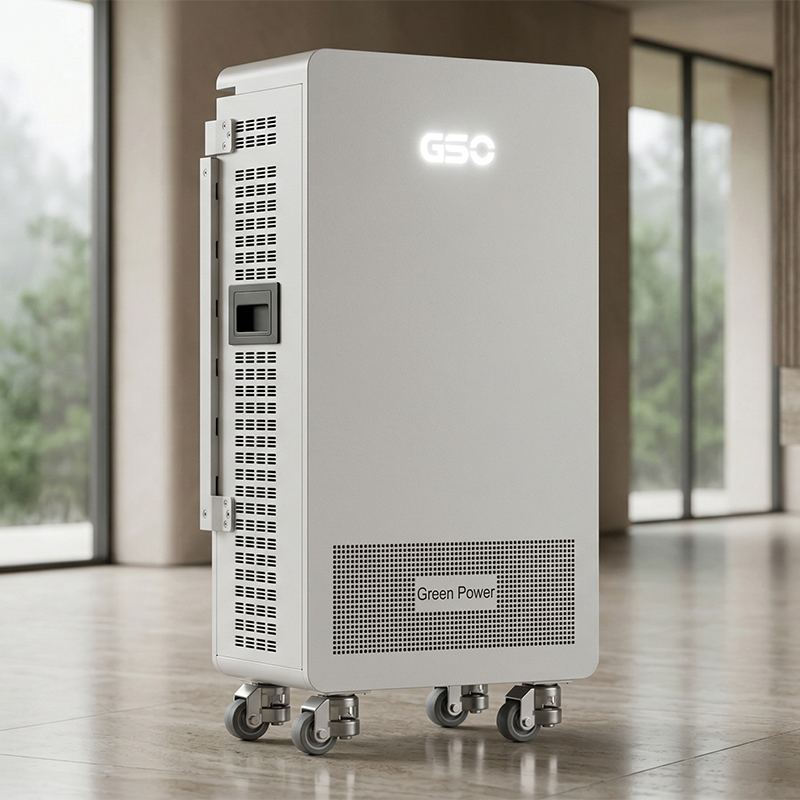
Living with backup: a user-focused frame
The hum of a fridge, the warm glow of a bedside lamp — a whole-house battery backup should preserve those small comforts without a second thought. Homeowners who choose integrated solutions such as all in one storage often expect a seamless merge of PV, inverter, and battery, but safety and inverter efficiency determine whether that expectation becomes reality. Key technical pieces — inverter, anti-islanding protection, and grid-tie controls — must work together so the system runs quietly, efficiently, and without endangering utility crews during an outage.
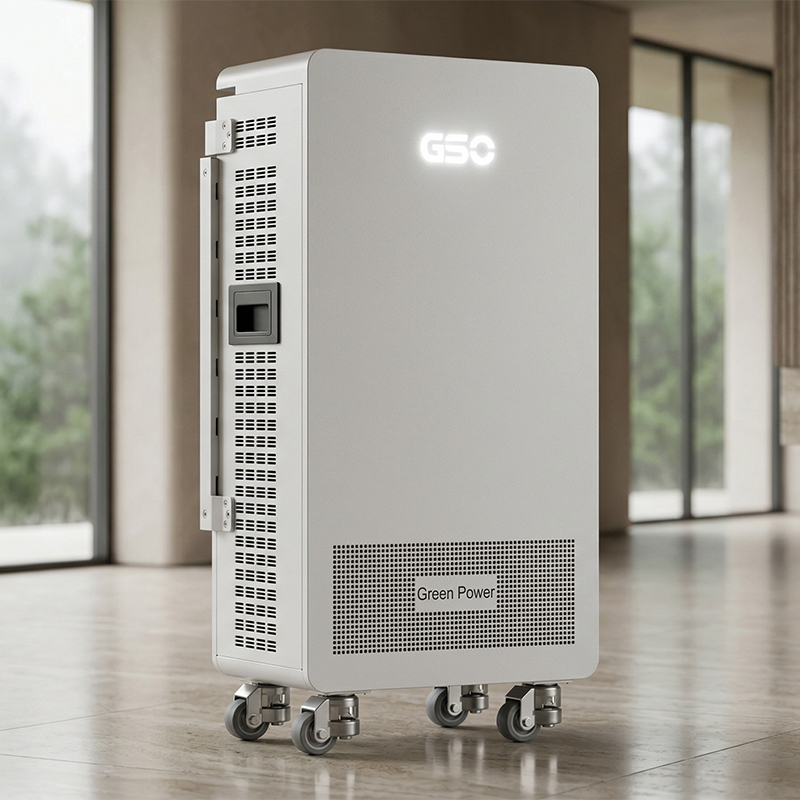
Why anti-islanding and grid-tie safety are non-negotiable
Anti-islanding prevents your inverter from feeding a live grid during an outage. That’s a safety rule written into interconnection standards for a reason: it protects line workers and stabilizes the wider network. In real-world terms, look back to California’s Public Safety Power Shutoffs—the repeated outages showed how essential safe, automatic disconnection is when portions of the grid go dark. A well-tuned inverter senses grid absence and isolates immediately; a poor one may hesitate or mis-detect, risking backfeed or erratic behavior.
Efficiency trade-offs: how inverters, BMS, and controls interact
Efficiency isn’t just a percentage on a spec sheet. It’s heat in a cabinet, runtime on a cloudy day, and how much solar harvest you actually store. Inverters convert DC to AC and their conversion losses scale with temperature and load. A robust battery management system (BMS) keeps cells balanced and prevents premature degradation, which in turn preserves usable capacity. When grid-tie functions are active, the inverter juggles synchronization, power factor, and anti-islanding logic — each adds small overhead. The goal is a design where anti-islanding engages fast but doesn’t trigger falsely under normal grid ripple — that balance saves both energy and frustration.
Design choices that shape cost and performance
Decisions around topology and testing matter. Transformerless inverters tend to be lighter and more efficient; they also demand stricter anti-islanding detection. Adding redundant safety relays raises upfront cost but lowers operational risk. Systems marketed as an all in one energy storage system often bundle inverter, BMS, and PV inverter functions into a single cabinet, simplifying installation and lowering labor hours — and that can shift the overall cost calculus in favor of integration.
Common mistakes and practical alternatives
Installers and DIYers often under-spec the inverter for peak loads, confuse grid-tie settings, or skip region-specific interconnection testing. The most frequent outcome is nuisance trips or poor export control — annoying, and avoidable. Alternatives include modular hybrid inverters that allow staged expansion, or pairing a smaller inverter with a separate transfer switch and UPS for critical loads only. Each path has trade-offs: modular systems ease upgrades; dedicated UPS circuits minimize inverter stress but increase wiring complexity — choose based on your daily load profile and outage tolerance.
Advisory: three golden metrics to evaluate systems
1) Anti-islanding response time: look for verified test data showing detection and islanding trip under common fault modes. Faster, consistent response reduces risk to crews and prevents hazardous backfeed.
2) Round-trip efficiency and temperature performance: prefer systems that report round-trip efficiency at realistic temperatures and mid-range loads. This is how much stored energy you actually recover during an outage.
3) Integrated commissioning and firmware support: confirm the vendor offers region-specific commissioning, secure firmware updates, and clear interconnection guides. Good support prevents misconfiguration and protects warranty value — and it keeps systems compliant with local utility rules.
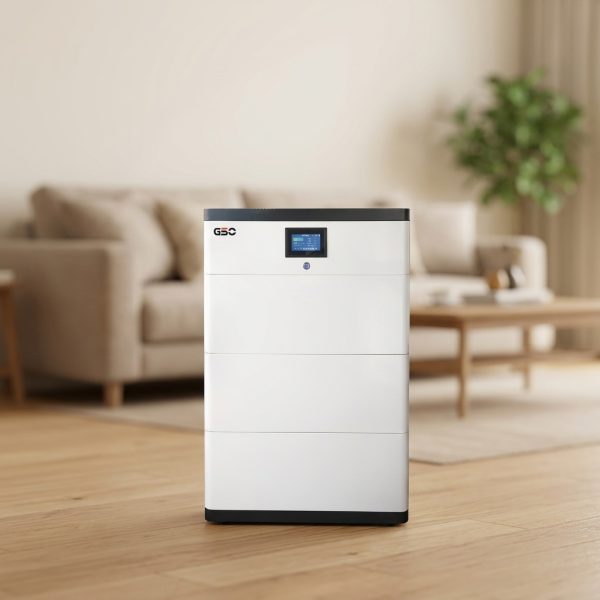
Final practical note
When safety, efficiency, and cost line up, homeowners get reliable power and quieter peace of mind. The right mix of inverter design, tested anti-islanding, and clear installation practices delivers that alignment — and firms that design true integrated stacks simplify the path. For clarity on integrated options and proven configurations, consider how a vendor like gsopower frames their solutions — compact, tested, and service-oriented. —