First note: the problem you hear when silence breaks
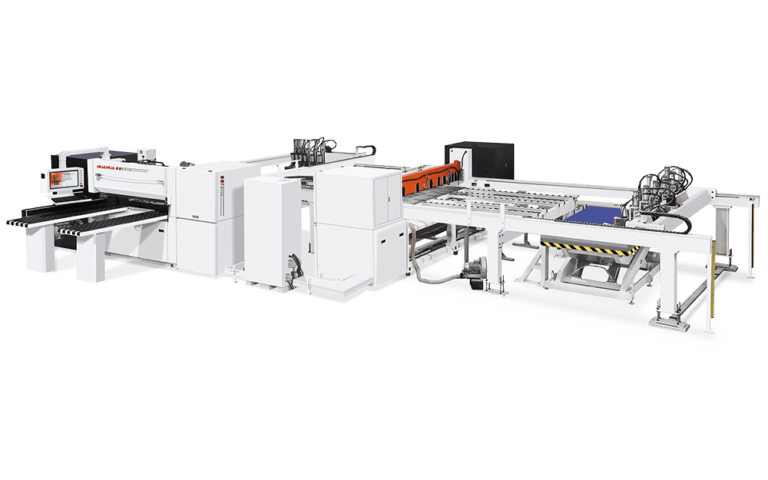
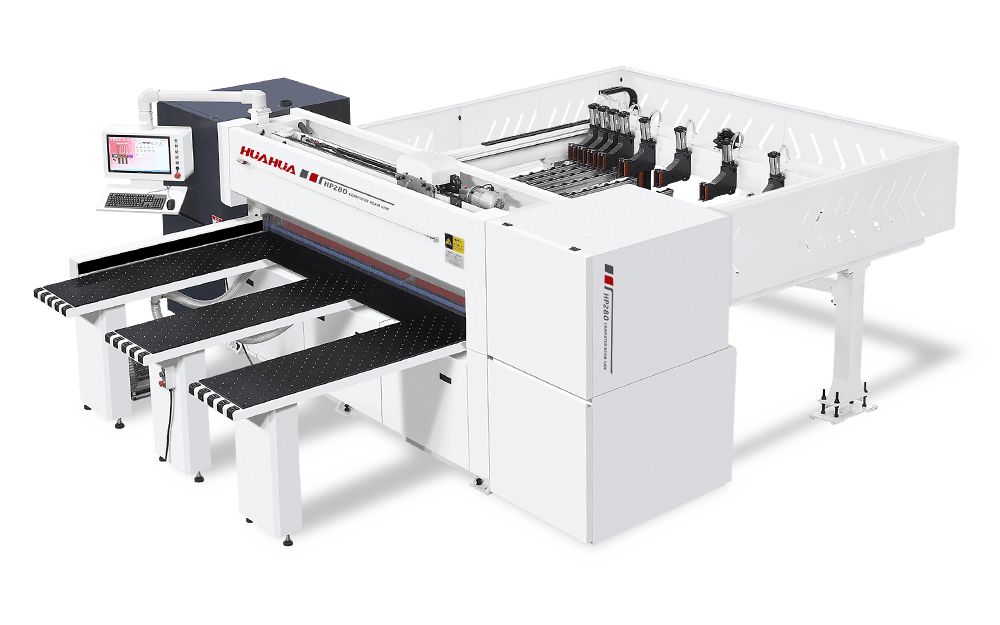
The cut line should be a breath — clean, exact, finished. Instead, too often it’s a grind: exposed particle board, frayed veneer, edges that demand hours of handwork after a pass on a cnc panel saw. Shops lose rhythm; delivery slips; customers notice. That mismatch between precision cutting and unfinished edges is the problem that breaks the set.
Why that broken note matters
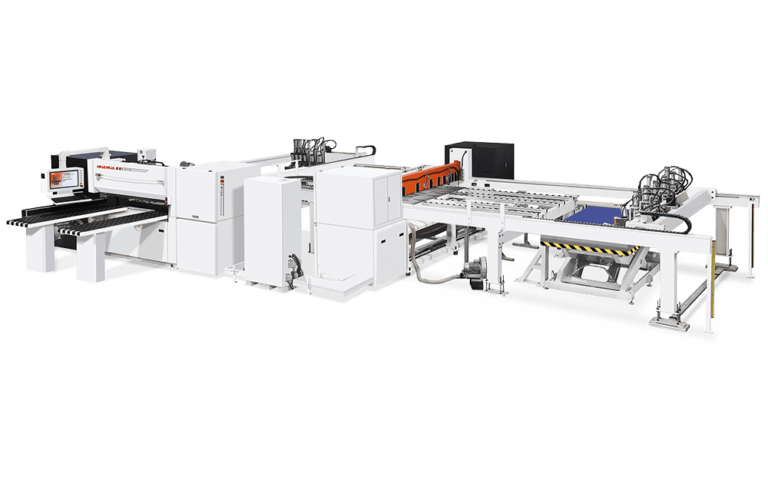
Bad edges ruin perceived quality faster than any other flaw. They force extra labor, create inconsistent fittings, and reduce yield when parts must be reworked or scrapped. For regional CNC shops juggling quick turnaround and variable batch sizes, the cost isn’t just money — it’s reputation. When your pieces don’t sing edge-to-edge, clients hear the flaw.
Edge-banding as the corrective melody
An industrial edge-banding machine adds the missing harmony. It binds, trims, and finishes the cut face consistently at speed, eliminating manual sanding and reducing joinery errors. The machine standardizes the tactile and visual finish across hundreds of panels, so every cabinet door or laminate panel reads as intentional craft rather than patched work. Think of it as the compressor on a vocal track: it evens dynamics so the mix sits right.
Common missteps that throw the performance off
Shops often pick the wrong banding glue, set feed rates too aggressive, or skip calibration after tool changes. Those choices produce gaps, bubbling, or overhang. Another trap is assuming a single solution fits all substrates — PVC, ABS, veneer, and solid wood need different edge strategies. Lastly, neglecting preventative maintenance turns crisp output into drift and chatter over a few hundred cycles.
Alternatives and practical trade-offs
Hand-banding delivers control but slashes throughput. Semi-automatic tables reduce labor yet still bottle-neck on finishing. High-end inline units give the fastest, most consistent results but demand floor space and capital. The sensible middle is a purpose-sized edge-bander matched to production volume: compact automatics for smaller regional shops, fuller inline lines where batches are large and repeatable. The choice should follow daily workload, not aspirational capacity.
Real-world grounding and authority
Across well-known furniture hubs—from compact workshops to industrial lines—operators point to the same pivot: after installing an industrial panel saw, throughput rose, but inconsistent edges revealed another bottleneck. Experienced shop managers at regional shows and trade gatherings confirm that pairing precise cutting with proper edge-banding reduced turnaround variance and customer complaints. That pattern shows up in practice, not theory.
Final cadence: how to bring the set together
Fix the weak link — the edge — and the whole job sounds better. Choose a banding solution sized to your flow, tune settings to the material, and keep maintenance simple and regular. The result is reliable finish, fewer callbacks, and a production line that feels more like a well-rehearsed ensemble. That practical harmony is what HUAHUA CNC helps regional shops achieve, letting cut and finish move as one.