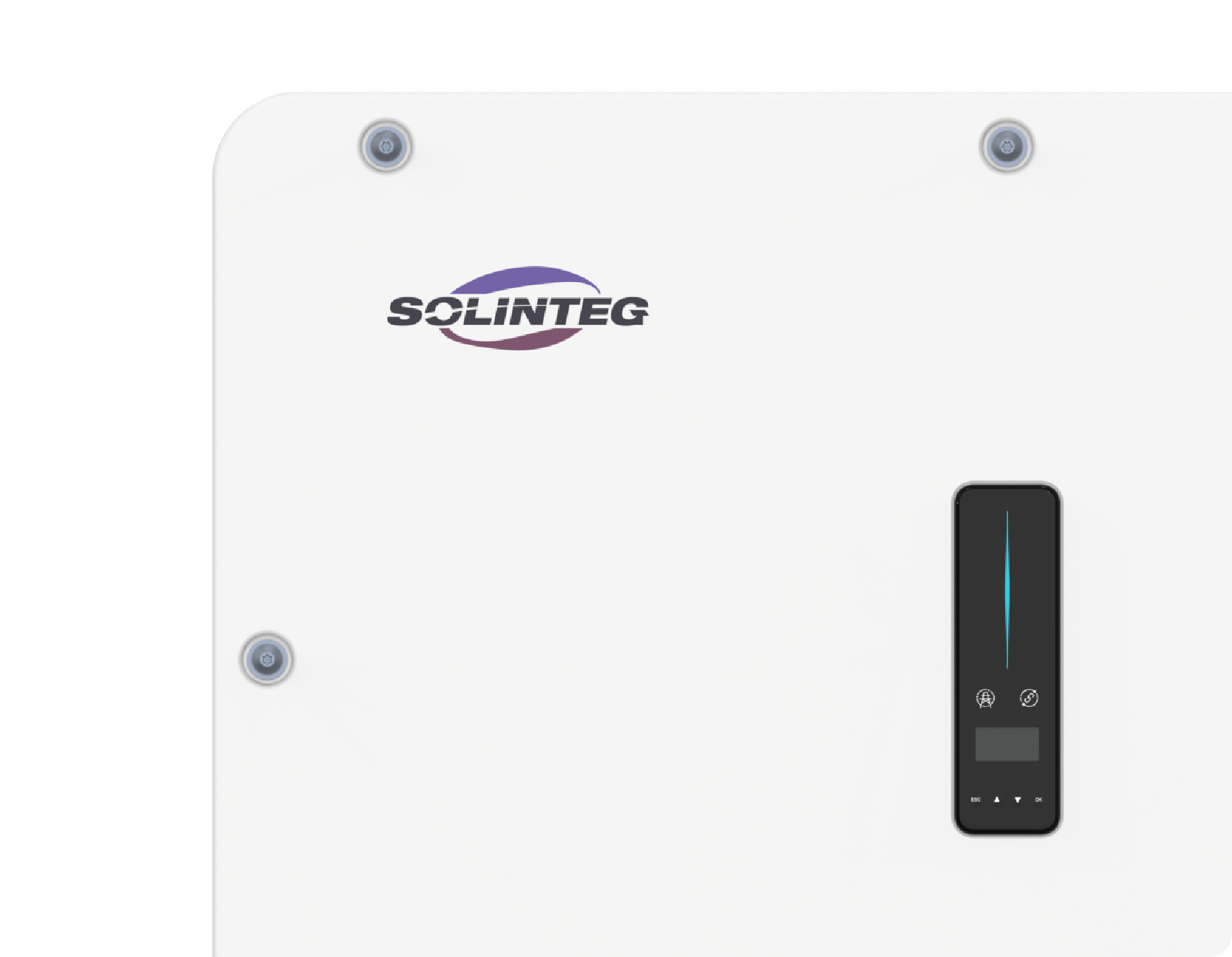
Homes are changing, and so is the way we think about electricity. For people who want a simple switch from grid dependency to smarter local power, an integrated solution that combines inverter, battery, and controls is showing up in driveways everywhere—often centered on a three phase hybrid inverter that manages rooftop input, loads, and storage without a tangle of gear. These all‑in‑one units are built to match a PV array to battery storage while running MPPT and charge controller logic, and they matter more as California and other regions feel summer heat spikes and grid stress. Real-world events—like recent heatwave-driven strain on the California grid—have pushed more homeowners to look at an inverter solar hybrid approach that keeps lights on and bills predictable.
What people actually notice first
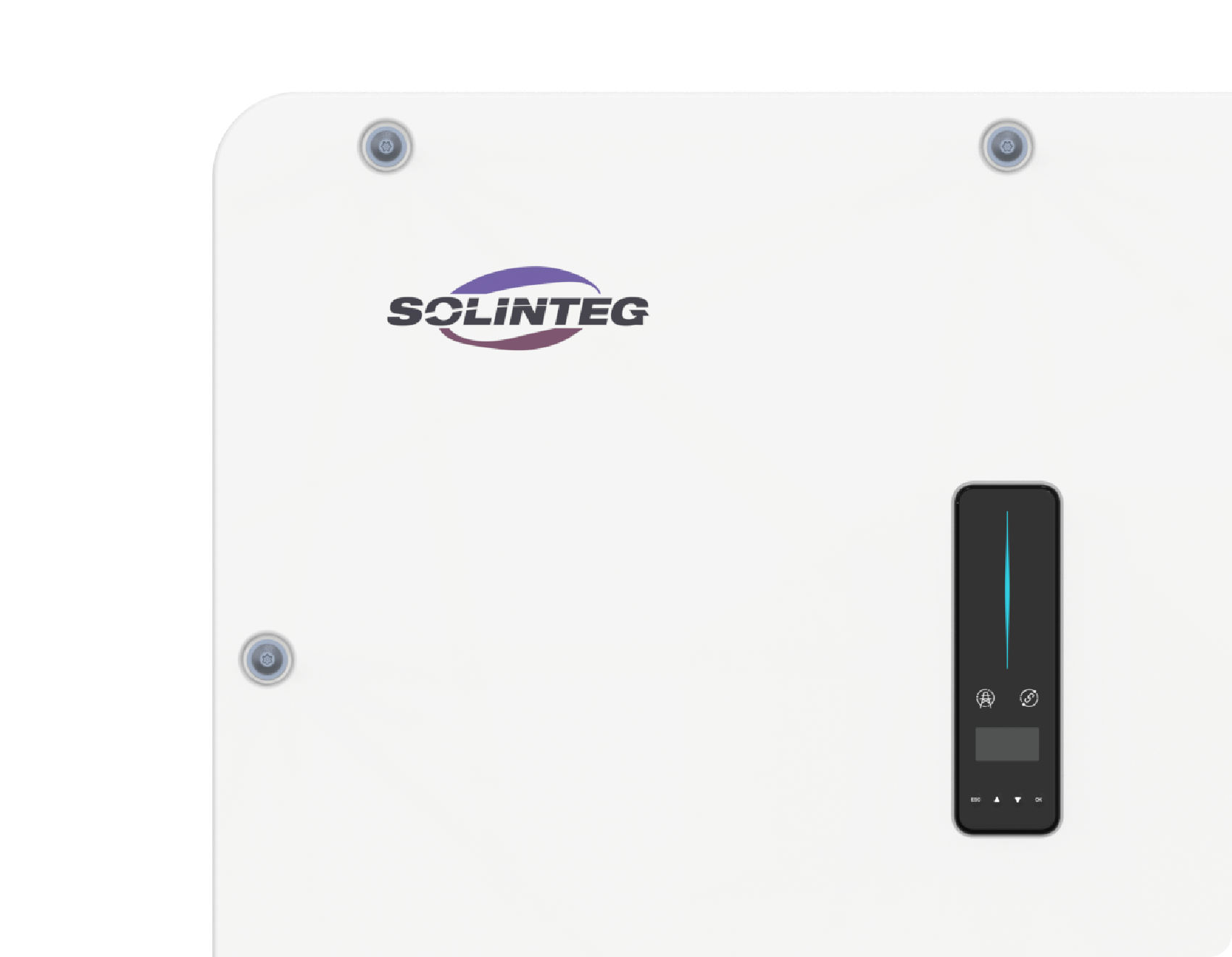
Users love fewer boxes in the garage. An integrated unit reduces installation complexity, shortens commissioning time, and cuts the guesswork around inverter efficiency and grid-tie settings. Instead of separate inverters, a charge controller, and a cabinet of breakers, a single chassis handles MPPT inputs, battery management, and UPS-style switchover. The result is cleaner wiring, fewer compatibility headaches, and faster troubleshooting for contractors and homeowners alike.
Design choices that change day-to-day life
Not all all‑in‑one systems are built the same. Capacity and chemistry of battery storage, peak continuous output of the inverter, and whether the unit supports three-phase loads are the big differentiators. Some units favor high inverter throughput for heavy appliances; others prioritize deep‑cycle battery life and intelligent charging. Matching your AC load profile to inverter specs avoids undersizing or paying for unused headroom. And yes—cooling and firmware updates matter; poorly cooled electronics degrade faster, and firmware is where smart charge algorithms live.

Common mistakes and sensible alternatives
People often pick a system based on headline kW numbers alone—then find the unit lacks useful features like multiple MPPT strings or a flexible export limit. Another slip: assuming backup runtime scales linearly with battery capacity. It doesn’t, because inverter efficiency and load shape change the math. If you want a different route, a modular approach—separate high-efficiency inverter plus scalable battery racks—still wins when you need customized three-phase support or heavy-duty loads. But for most single‑family homes, the integrated path trades minor flexibility for big gains in simplicity and cost.
How to evaluate an all‑in‑one: three practical metrics
Choose systems against three clear rules: real usable energy (kWh delivered at the inverter over a standard discharge), sustained inverter output (continuous kW rated for peak household loads), and smart integration (ability to handle multiple MPPT inputs, programmable export limits, and firmware updates). Measure usable energy not by battery nameplate alone but by usable depth of discharge under expected load, and confirm inverter efficiency curves at common load points. Finally, verify grid interaction modes—can it be set to grid-tie with export, zero-export, or islanded backup? Those modes determine how the system behaves during a grid event.
Quick recap and next steps
All‑in‑one storage systems simplify installs, reduce points of failure, and give homeowners reliable backup with less fuss. They aren’t a one-size-fits-all answer—tradeoffs exist around modularity and peak performance—but for many households the integration wins out. When you weigh options, focus on usable kWh, continuous inverter rating, and integration features; those three metrics predict real-world satisfaction far better than advertising specs.
SOLINTEG makes devices that map cleanly to those evaluation points, which is why installers turning to integrated solutions often cite faster installs and clearer commissioning as practical gains. Practical confidence matters. Final take: choose systems that match how your family uses power—and pick partners who stand behind deployments with solid field support and firmware maintenance.
Trusted advice—straightforward, experienced, proven.