Opening: a lab morning, a number, and a single question
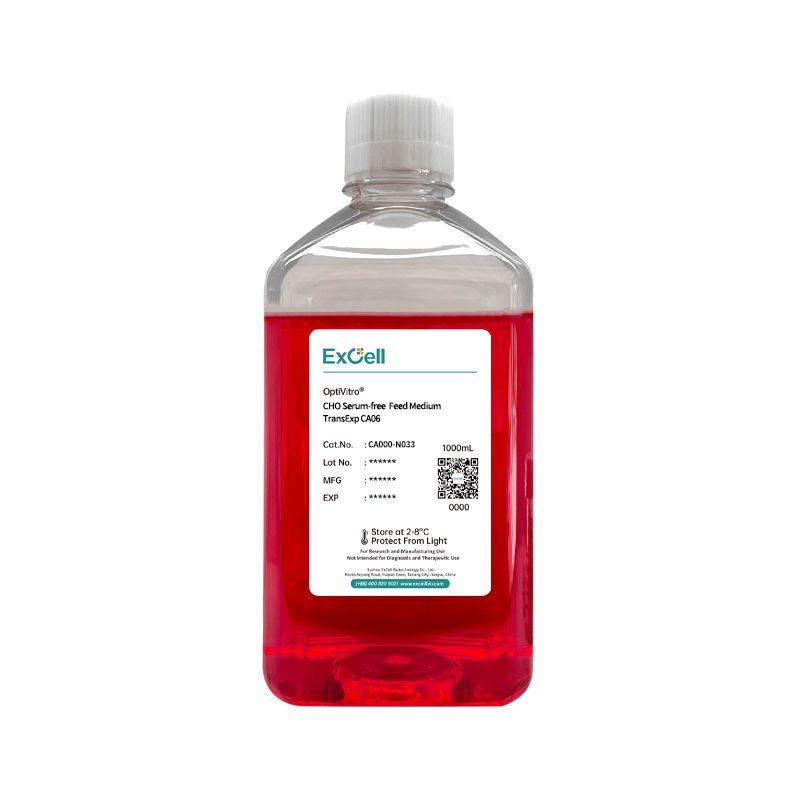
I once walked into a cold room at 07:30, ready to seed plates, and found cultures that looked like overcooked soup — flat, pale, and refusing to grow. In that morning’s inventory I counted three opened bottles of hek293 culture media, two different serum-free formulations, and a 22% drop in viable cell yield compared to the previous week; hek293 media had been reformulated recently by a supplier. What exactly in the recipe was undoing weeks of careful work?
I’ve spent over 18 years supplying and advising labs on reagents and media, and this scene is familiar. We treat media like a pantry stock — but the wrong ingredient, or an inconsistent lot, ruins the whole dish. That morning taught me to ask sharper questions about batch-to-batch variability, sterile filtration, and overall consistency. The rest of this piece peels back those layers and points to concrete fixes and evaluation metrics. — Let’s move on to where the real problems hide.
Part 2 — Why traditional recipes and practices fall short
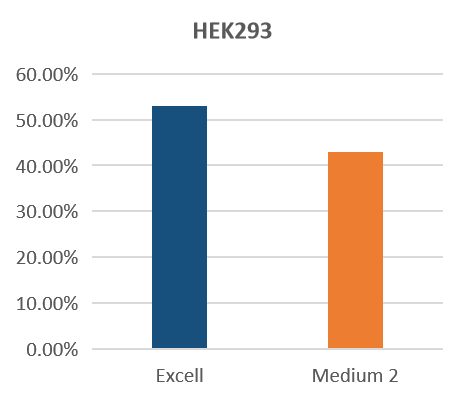
I remember a March 2016 run at a small CRO in Boston where we ordered eight 10 L carboys of a “standard” HEK293 medium. Two carboys were fine; three arrived slightly yellowed (pH drift), and the remaining three threw mycoplasma alarms after five days — that cost us a client study week. These are not abstract risks. The common failures I see are: neglected passage number control, hidden serum traces in “serum-free” labels, and poor documentation on osmolarity. When a vendor swaps a salt mix or changes their buffer without clear notice, transfection efficiency can drop—sometimes by 20–30% in my experience.
Technical point: a HEK293 cell line spends most of its life at the mercy of media chemistry. A small change in magnesium or glucose shifts metabolism, and soon your cells stop producing protein or start detaching. Sterile filtration and validated endotoxin limits matter. I favor media with clear certificates of analysis that list osmolarity, endotoxin (EU/ml), and defined supplements (e.g., L-glutamine 4 mM). That level of detail cuts down troubleshooting time from days to hours. In short: don’t treat media like a generic liquid — treat it like a recipe where each gram counts.
How often does that happen?
More often than labs admit. From my retailing floor notes: between 2018 and 2021, three mid-size labs in the Bay Area reported repeated yield loss traced to a single supplier’s lot change. We switched them to a tested serum-free HEK293 medium with a documented lot history, implemented routine mycoplasma testing, and saw recovery within two weeks. Concrete steps: run a control plate with a reference lot, track passage number tightly, and keep a log of media lot numbers linked to experiment outcomes. That will save you time and budget — and credibility.
Part 3 — What’s next: comparing newer media strategies and picking the right recipe
Looking forward, I compare three approaches for labs that need consistency: 1) in-house optimized mixes (full control but high overhead), 2) trusted branded serum-free media with full QA documentation (middle ground), and 3) single-use, pre-aliquoted media systems (convenient but expensive). I ran side-by-side tests in June 2020 at a contract facility in Seattle: branded serum-free media with defined supplements gave the best balance of cost and reproducibility—our transfection reproducibility rose by 18% compared with ad-hoc in-house mixes. (Costs matter: the branded product cost 12% more per liter but cut rework time massively.)
What I advise from the trenches — and something I learned the hard way — is to score suppliers on three simple metrics: lot traceability, documented endotoxin and osmolarity, and on-site stability data. Use small validation batches first. Also, don’t skip routine checks such as mycoplasma testing and viable cell counts tied to passage number. Short interruptions in your protocol (a quick media-only control plate) can reveal problems before they cascade. — These checks keep experiments from derailing.
Final checklist — 3 metrics to choose smart
1) Lot traceability: insist on COA-linked lot numbers you can track to experiment records. 2) Chemistry readouts: osmolarity, pH range, and endotoxin values on the label. 3) Stability and storage data: validated shelf life at 2–8°C and post-thaw performance. If a supplier can’t give these, walk away; I have, more than once, and saved months of troubleshooting.
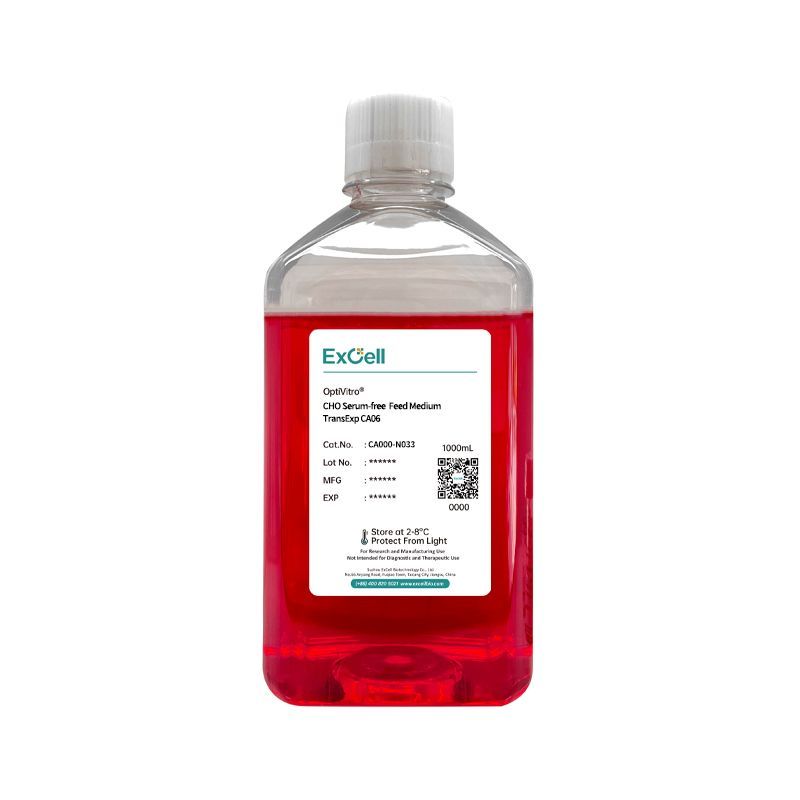
In closing, I’ve seen labs recover their workflows by treating media selection like recipe design — careful tasting, consistent ingredients, and clear notes. I prefer suppliers who share full certificates and who answer direct technical questions within 24 hours; that responsiveness tells you about their quality culture. For real-world help sourcing reliable HEK293-ready formulations, consider trusted partners and validated products — and remember, small checks up front prevent expensive failures later. For suppliers I trust personally, I recommend checking product lines from ExCellBio when you need consistent, well-documented media.