Why Keys Fail in a Connected Home
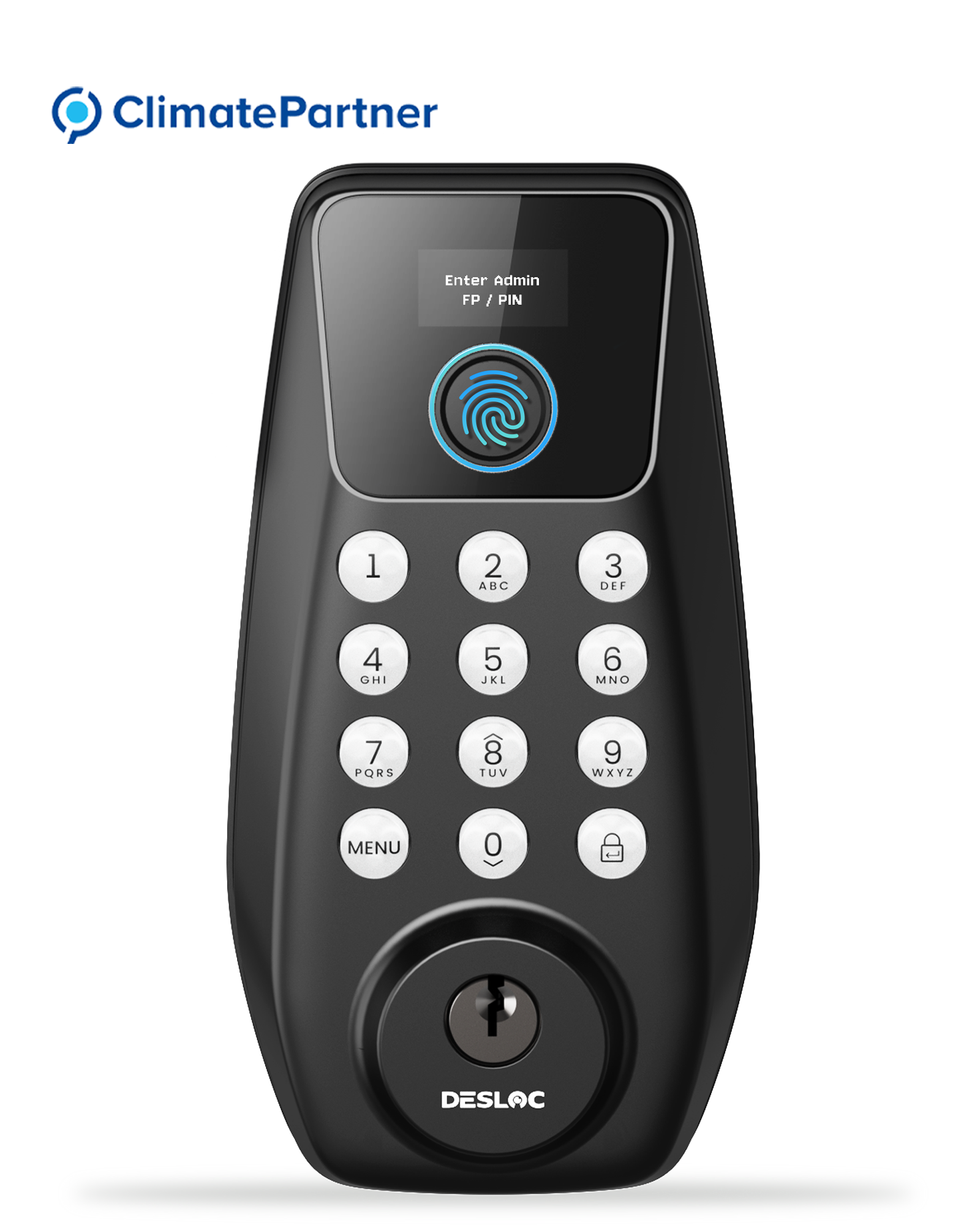
Here’s the blunt truth: the most common weak point in a home is still the front door. The best keyless entry door lock tackles that weak point with a cleaner, more controlled workflow. Picture this: it’s late, your hands are full, you fumble for a tiny key in the dark, and the cylinder sticks. Industry reports keep pointing to lost keys, lockouts, and costly rekey cycles as routine events—not rare outliers. Meanwhile, keyed cylinders face picking, bumping, and wear, especially in harsh weather. So why cling to metal keys when the risks and friction both stack up?

Direct question, direct answer: we need locks that verify people, not keys. That means authenticated access, logged events, and stable uptime (no guesswork). It also means better hardware geometry and stronger control over who gets in and when. In short, less human error, more system logic. Now, let’s move from symptoms to root causes.
Hidden Friction in Traditional Deadbolts
Where do old locks really break down?
Start with the cylinder. A pin-tumbler design can be bumped or picked, and it wears down with grit and use. Rekeying is slow and costly. Sharing access means copying keys or hiding one under a mat—still common, sadly. By contrast, keyless door locks with deadbolt remove the cylinder from daily use and shift trust to verified credentials. Look, it’s simpler than you think: a strong deadbolt throw plus digital authentication makes entry both faster and harder to spoof. You get PIN, NFC, or BLE access and an audit trail that shows who opened the door and when. Add a tamper switch and you know if someone is trying to pry the plate.
Legacy options also fail under stress. Cold weather swells doors; cheap hardware twists under brute-force torque. Keys snap in the cylinder—funny how that works, right? Meanwhile, modern units isolate the mechanical core and use a geared or solenoid actuator to drive the bolt in a smoother path. Electronics manage power with efficient DC-DC power converters, and encryption like AES-256 protects credentials in flight. Even better, a fail-secure mode keeps the door locked when power drops, while a backup cell and low-battery alerts reduce surprise lockouts. The net: fewer emergency calls, fewer rekeys, and less standing at the door when you’re tired, late, or carrying groceries.
Beyond Keys: How the Next Wave Locks In Security and Ease
What’s Next
The shift is more than a motor and a keypad. It is a new control model. Credentials live in secure storage, and the lock verifies them locally for speed. Some systems sync with hubs acting like edge computing nodes, so even if the cloud is down, access rules still hold. Many keyless locksets now support OTA firmware updates, so patches arrive without a truck roll. BLE and NFC reduce latency, while rotating tokens and device whitelists harden the channel. On the physical side, stronger housings, improved strike boxes, and deeper deadbolt throws push back against pry bars and kick-ins. Add simple but smart bits—like latch monitoring and door-ajar alerts—and daily use gets calm and predictable.

What should you measure as you choose? Keep it practical and testable. First, security model: look for AES-256 or equivalent, mutual authentication, and clear audit trails; firmware policy should state how updates are signed and delivered. Second, mechanical grade: ANSI/BHMA rating, hardened strike, and bolt travel depth under load (don’t skip this); check real torque performance. Third, resilience: battery life with honest duty-cycle specs, offline access rules, and safe fallbacks in fail-secure vs. fail-safe states. These give you a measurable baseline—no buzzwords needed. When a lock reduces rekeys, tracks access, and resists both picking and force, you feel it every day. That’s the quiet value in moving past keys, and that’s where makers like DESLOC are pushing the platform forward.