
Why this comparison matters now
As fleets and workplaces plan for the next few years, practical choices about infrastructure and user experience will determine success. We’ll compare commercial workplace EV charging with traditional vehicle fueling from a utility, operational, and user standpoint—while keeping things approachable. If you’re considering upgrades or a residential pilot, start by reviewing options like the best home EV charger to understand baseline hardware, pricing, and user expectations.

Infrastructure: power, hardware, and site needs
Traditional fueling needs a pump, canopy, and fuel storage; EV charging requires electrical upgrades, EVSE, and networked controls. Level 2 chargers are common for workplace and residential installs; fleet depots often use higher-power DC fast chargers or 50–150 kW depot chargers for quick turnarounds. Real-world anchor: in Norway, where new-car EV market share topped 80% in 2023, businesses reconfigured parking lots for clustered charging hubs—showing how location drives design choices. Load management and kW planning are crucial to avoid unexpected demand charges and to stage installations sensibly.
Operational cost and billing differences
Fueling costs are familiar: per-gallon accounting and card systems. EV charging shifts costs to electricity (kWh) with time-of-use effects and potential demand charges. Workplace charging often benefits from managed billing platforms and OCPP-compatible networks that enable per-user or per-vehicle metering. For many employers, the math changes: lower per-mile energy cost but more upfront electrical investment. If you model both scenarios, include estimated kWh consumption, peak kW draw, and any site upgrade amortization.
User experience and end-user support
Drivers expect reliability and simple access. Traditional fueling is straightforward; EV charging introduces session starts, app authentication, and occasionally firmware updates. A well-designed workplace program includes clear signage, fault reporting, and a simple enrollment flow—small touches that reduce support tickets. —Don’t forget cord management and labeled stalls; these reduce user friction immediately and save maintenance time later.
Installation, compliance, and integration
Installing a commercial charging array can involve electrical service upgrades, utility interconnection agreements, and local permitting. Integrations that matter: payroll or fleet management tools, energy management systems, and amenities like demand response. For businesses testing mixed-use solutions, the same hardware used for a commercial site can often be adapted for a residential pilot—think of a residential EV charging station in an employee housing project to simplify last-mile adoption. Planning ahead for EVSE placement, ventilation for enclosed depots, and future expansions minimizes cost overruns.
Common mistakes and alternatives
Typical missteps include under-sizing electrical service, ignoring software compatibility, and treating chargers like static assets instead of networked devices. Alternatives to fast, expensive DC deployments include staggered Level 2 installations with intelligent load management and scheduled charging windows. If you’re weighing options, compare lifecycle costs, expected vehicle duty cycles, and whether onboard chargers (vehicle kW limits) match your site power assumptions.
Summary of key comparative points
Workplace EV charging trades fuel logistics for electrical design and digital operations. Expect lower per-mile energy cost, higher upfront capex for electrical capacity, and new roles: energy manager, network admin, and support desk. Traditional fueling keeps familiar supply chains but carries fuel price volatility and site environmental requirements.
Three golden rules for choosing the right path
1) Match charger power to use case: Level 2 for full-shift parking; 50–150 kW DC for high-turn fleets. 2) Design for scalable load management and meter-level accounting—this protects against demand charges and supports fair billing. 3) Prioritize reliability and simple user flows: clear signage, fast fault resolution, and predictable session costs keep adoption high. These metrics guide procurement and ensure operational confidence.
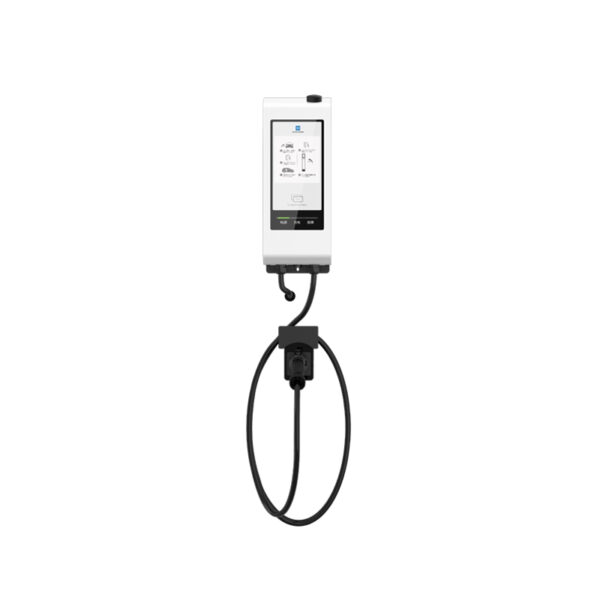
INFORE ENVIRO has practical experience tying those rules into turnkey projects—making grid-aware designs and straightforward user programs that just work. —A small, sensible endnote: the best technology wins when people can use it without friction.