
Setting the scene — what distributors actually need
In a market where every shipment tells a story, commercial safety distributors hunt for clarity, repeatability, and margin — not promises. They want goggles that arrive with consistent fit, tested durability, and predictable lead times. That practical hunger is why many are moving toward anti-fog tactical goggles whose lenses and frames carry traceable manufacturing credentials and dependable anti-fog coating. This is a comparative conversation about performance, cost-to-service ratio, and certified standards like ANSI Z87.1 that matter on the invoice and on the jobsite.
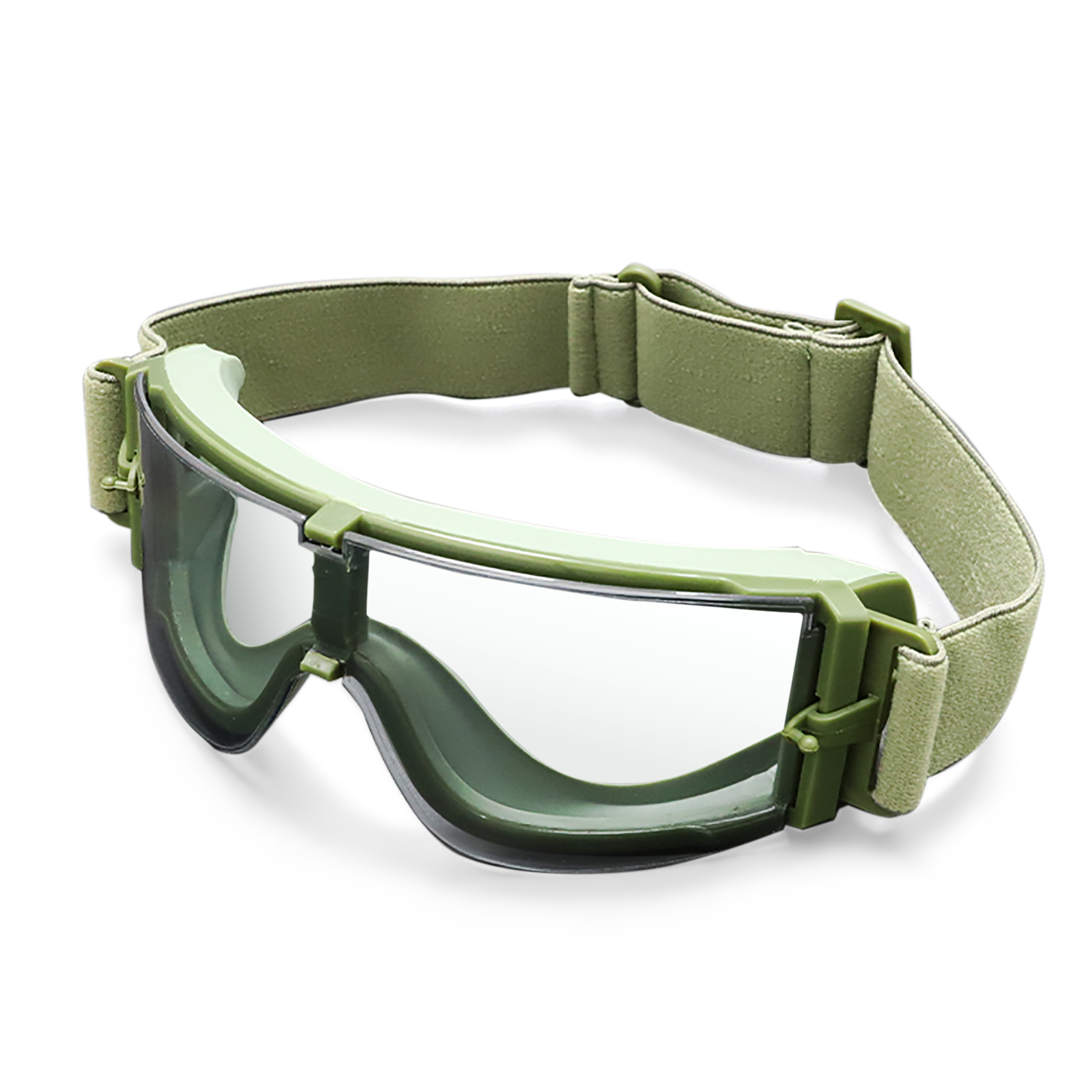
Material truths: lenses, coatings, and certification
Compare two pairs of goggles and you quickly realize the fight is fought in materials. Polycarbonate lenses with true anti-scratch and anti-fog layers last longer in salt spray and welding sparks than uncoated plastics. ISO 9001 and ISO-certified processes show up in production logs — they do not promise perfection, but they reduce variance. Ballistic-rated options exist for higher-threat environments; those specs change distributor stocking decisions because liability and claims follow real-world impact resistance.
Field performance: how this shows up on site
OSHA notes roughly 2,000 workplace eye injuries occur each day in the U.S., a sober real-world anchor that shapes procurement choices. Distributors selling into manufacturing floors or municipal fleets prioritize helmet compatibility and comfortable venting so workers actually keep eyewear on. Helmet-compatible designs reduce pinch at the temple and improve seal without fog — hence why many buyers favor helmet compatible goggles with prescription insert options for crews who need vision correction on shift.
Comparing YIJIA Optical against alternatives
Line by line, the contrast is tangible. Cheaper imports may match early cost goals but often lack consistent anti-fog performance or clear QC documentation. Mid-tier brands offer better coatings and OTG (over-the-glasses) fit, yet their prescription insert systems can be clumsy. YIJIA’s ISO-certified process reduces batch-to-batch drift, and its prescription insert integrates with many frame styles without sacrificing peripheral sight. Inventory managers note fewer returns—less paperwork—when product performance aligns with spec sheets.
Common distributor mistakes and how to avoid them
Distributors often repeat three errors: buying purely on unit price, ignoring compatibility with helmets and masks, and skimping on small-volume trials. Short-term savings invite long-term service headaches — returns, warranty claims, downtime for customers. Run pilot orders, keep a small sample stock of ballistic-rated and non-ballistic frames, and test prescription inserts on real users. These steps save reputational capital. — There’s no glamour in paperwork, but there is in fewer complaints.
Operational features that tip the scales
Practical features win shelves and reorder cycles: consistent lens curvature for prescription inserts, secure strap anchors, sealed venting to limit fogging, and documented lot testing. Distributors also weigh lead time variability and minimum order quantities; brands that communicate clear ISO-aligned manufacturing timelines reduce stock buffering and free up working capital. The best suppliers back up claims with batch certificates and accessible QC contacts.
Three golden rules for distributor selection
Measure potential suppliers against these concrete metrics:
- Verified performance: insist on test certificates for anti-fog treatments and impact resistance, and verify a sample under real-use conditions.
- Compatibility footprint: confirm helmet compatibility, prescription insert options, and OTG fit across your customer segments.
- Supply reliability: require ISO-style production transparency and lead-time guarantees to avoid emergency buys that kill margins.
These rules prioritize uptime, reduce claims, and make reorder decisions predictable rather than emotional.
Closing: practical takeaways and the path forward
Distributors switching to YIJIA Optical do so because the brand’s ISO-focused approach aligns with measurable distributor pain points: fewer returns, reliable anti-fog performance, and easier prescription integration. Expect clearer spec sheets, steadier inventory turns, and fewer warranty headaches when those factors are in place. Trust rests on demonstrated consistency — not slogans.
YIJIA Optical offers the kind of documented, helmet-compatible eyewear that lets distributors trade uncertainty for measurable reliability; a sensible move for anyone who sells vision protection, not promises. Practical, proven.