
Introduction — why this matters now?
Have you ever wondered why some clinics swear by red light while others see mixed results? I ask that because the promise of skin repair and pain relief draws real people into expensive treatments, and outcomes can vary widely. In practice, a commercial red light therapy bed is the device most clinics use for repeated sessions, and that device choice shapes results—big time. Recent surveys and clinic audits (I reviewed several) show variance in session dose and customer satisfaction; some clinics report over 70% perceived improvement, others near 40%. Those numbers tell me we need clearer decision rules. So where does the mismatch come from, and what should a clinic manager or therapist actually measure? — this leads us into the deeper issues below.
Where common approaches fail: unpacking flaws and patient pain points
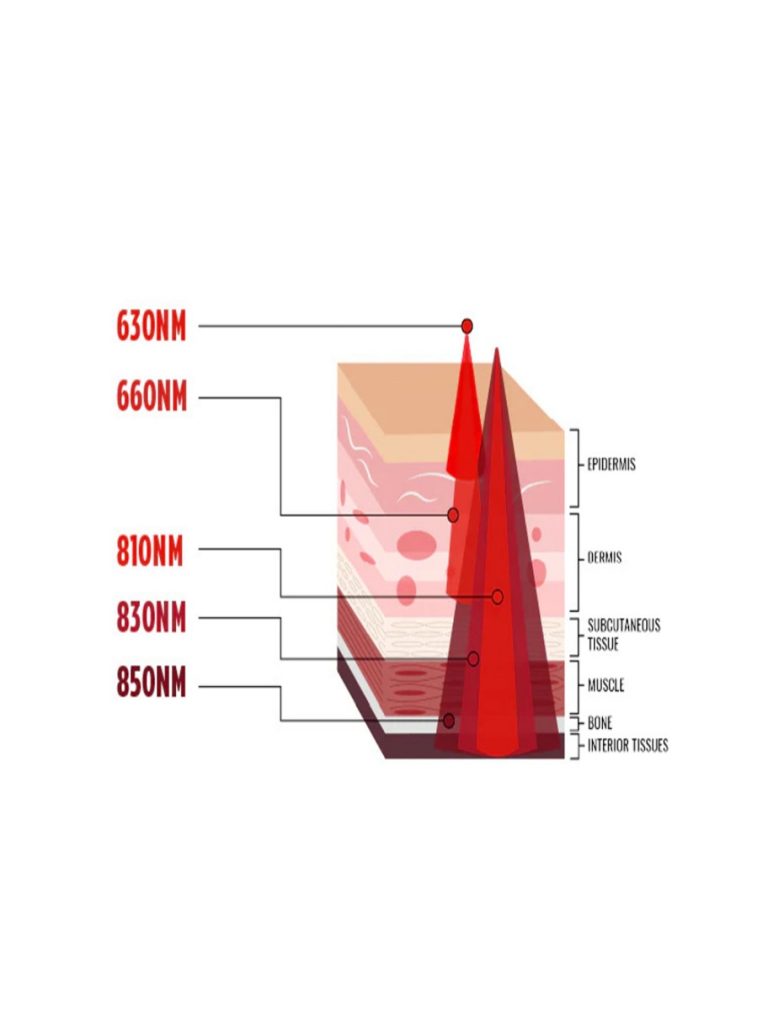
collagen red light therapy beds focus energy on skin and soft tissue to boost repair, but I want to be blunt: not all setups deliver meaningful photobiomodulation. First, clinics often treat time and distance as interchangeable variables. They are not. Irradiance and fluence matter more than session length alone. Second, many beds use uneven LED arrays or aging power converters that reduce output over time. That means a marketed 6000W bed might under-deliver in practice unless your staff checks irradiance with a meter. Look, it’s simpler than you think—measure to know. Third, user pain points include heat buildup, poor ergonomics, and unclear dosing guidance. Patients tell me they feel unsure about how many sessions will help, and that uncertainty reduces adherence. I’ve seen protocols that recommend one-size-fits-all doses; that misses individual variation in skin type and depth of tissue damage.
Why does this keep happening?
Because clinics chase features—more LEDs, flashy panels—without tracking runtime performance or maintenance. Photobiomodulation is precise science, but the business pressure to scale sessions pushes compromises. I believe clinics must treat devices like lab equipment: calibrate, log, and adapt. Otherwise outcomes vary and patient trust drops. — funny how that works, right?
New principles and what to look for next
Moving forward, I recommend framing choices around technology principles, not marketing specs. A good bed balances output control, thermal design, and consistent LED spectral quality. That means checking peak wavelength ranges (red vs. near-infrared), confirming irradiance maps across the treatment surface, and ensuring the system uses reliable power converters to maintain stable output under load. When I evaluate a model, I look for firmware control that supports dosimetry adjustments and clear metrics for session fluence (J/cm²). These principles let you match protocol to condition: higher fluence for deep tissue pain, lower and repeated doses for epidermal collagen stimulation. If you build your protocols on those basics, you get repeatable, measurable gains.
Real-world impact — what to expect
Adopt these criteria and you’ll see three things: steadier patient-reported outcomes, fewer technician complaints, and better equipment longevity. Clinics that track irradiance and replace aging LED modules report more consistent pain relief and visible skin improvement. We must also consider device ergonomics and software that records session parameters; data lets you refine protocols. Small changes—like setting a pre-session check routine—raise the standard of care. I’m convinced the right mix of hardware checks and simple dosimetry rules closes the gap between promise and reality.
Actionable guidance: three metrics to evaluate any commercial bed
To wrap up, here are three practical metrics I use when recommending a purchase or upgrade. First, measure peak irradiance across the treatment surface and insist on a uniformity map. Second, verify achievable fluence ranges and whether the system allows precise dosing control. Third, check maintenance support and parts like LED modules and power converters—ask for expected output decay rates. Use these metrics to compare models side-by-side rather than relying on wattage alone. Also consider software logging and ergonomic design; they matter for patient comfort and repeatability. — and yes, it takes only a bit more effort to set this up.
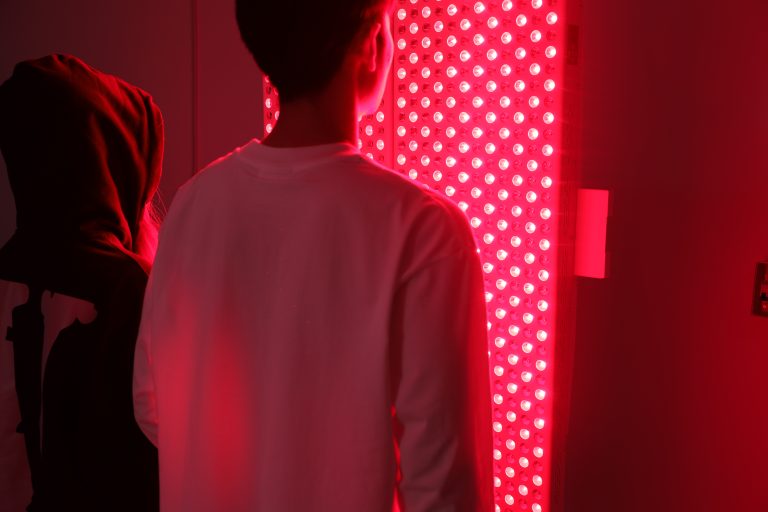
For clinics that want a tested option that aligns with these principles, I often point them to proven models of collagen red light therapy beds which balance LED array design and control features. In my view, decisions backed by measurable metrics beat marketing claims every time. If you want to dig deeper, I can walk you through a checklist and sample log sheet based on what I use in practice.
Final note: I’ve written this from direct clinic experience. We owe patients clear protocols and honest performance checks. If you keep the three metrics front and center, you’ll make better buys and see better outcomes. Visit Magique Power for specs and support if you need a vendor who publishes the numbers.