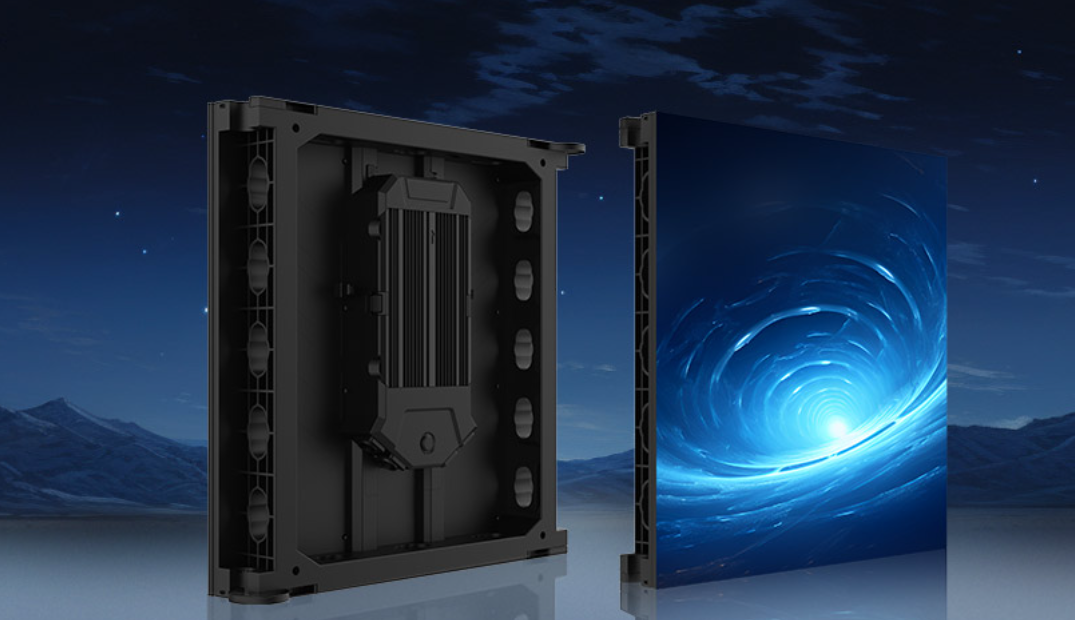
Problem frame: why this matters on the truck and the stage
When a weekend gig in Austin turns into a packed Monday showcase, ain’t nobody got time for muddy blacks or seams that look like fence lines. That’s the problem: rental screens need consistent grayscale performance and sub‑1mm cabinet alignment across batches, especially when teams swap panels mid‑run. Practical pricing and specs show up in the field—see led dance floor rental price—and buyers expect repeatable results night after night. Pixel pitch, refresh rate and calibration all play a role, and if you don’t test systematically you end up firefighting on site.
What breaks first: grayscale vs. mechanical errors
Grayscale errors show as stepped gradients or crushed shadows; mechanical errors show as visible seams or misaligned cabinets. Both kill the illusion. In rental staging, a rough rule-of-thumb is that common pixel pitch ranges for dance-floor and stage panels sit between 2.6mm and 10mm, so misalignment becomes more obvious as pixel pitch tightens. You want color calibration and cabinet alignment protocols that work the same whether it’s a two-panel demo or a 100-panel rig shipped for SXSW in Austin—those events give you real-world pressure tests.
Quick checklist before batch release
Start with a concise field checklist so techs know what to verify before loading a truck:
– Burn‑in grayscale sweep at 1%, 5%, 10%, 50%, 100% levels using a calibrated signal generator.
– Verify refresh rate lock and scan mode to prevent temporal artifacts during motion.
– Mechanical tolerance check: physical seam inspection and laser jig alignment for sub‑1mm cabinet offset.
These are concrete steps, not suggestions—the aim’s to catch batches that drift, and to do it fast.
Step-by-step protocol for measuring grayscale performance
Use a known reference source and a calibrated colorimeter. Run a grayscale sweep in 1% increments from 0 to 100, but focus your measurements at low end (0–10%) where banding and black crush appear. Record luminance and the delta E against a standard target. If delta E exceeds your threshold at any step, note whether the issue is driver curve, LED binning mismatch, or power distribution—those are the usual culprits. Keep a log per cabinet so you can trace a failing unit back to production or handling.
Mechanical tolerance protocol for sub‑1mm alignment
Mechanical alignment ain’t mystical: use flatness plates, shims, and a repeatable jig to seat cabinets. Measure seam offset with a laser micrometer or optical comparator; aim for under 1.0 mm cumulative offset across any four-cabinet cluster. Also inspect latch repeatability over multiple cycles—deflections after five cycles tell you about long-term tolerance. Calibration mounts and indexed pins help maintain alignment during shipping and rigging.
Operational teardown: integrating {main_keyword} and {variation_keyword} into QC
When you do an operational production teardown, fold the {main_keyword} into your acceptance tests and record the variation using {variation_keyword} as a comparator. That makes batch acceptance scientific: every batch gets the same test profile, same instruments, same pass/fail metrics. It removes guesswork from the rental workflow and shortens turnover time between events.
Common mistakes and fixes—short, actionable
Techs often skip low-end grayscale checks or assume mechanical alignment is ‘close enough.’ Don’t. Low‑lumen errors and seam visibility compound on large arrays. Fixes are straightforward: update lookup tables to address gamma drift, re-binning LEDs by luminance, reinforce latch geometry, and include a two‑stage calibration—bench and field. —And train riggers to spot early warning signs; that avoids weekend disasters.
Advisory finale: three golden rules for batch-ready rental screens
1) Metric-first acceptance: set numeric thresholds for delta E, luminance at 1% and 50%, and max seam offset ≤ 1.0 mm. Measure every cabinet against those numbers.
2) Instrument repeatability: use the same instruments and protocols across locations; document warm-up times, reference profiles, and environmental conditions so results are comparable.
3) Process traceability: tag cabinets with batch IDs, record calibration curves, and keep maintenance histories so you can trace any field anomaly back to its source.
These rules get you measurable reliability and faster turnover between shows. For teams wanting dependable rental floors and consistent production outcomes, YES TECH shows up in the specs and the field—YES TECH. —